
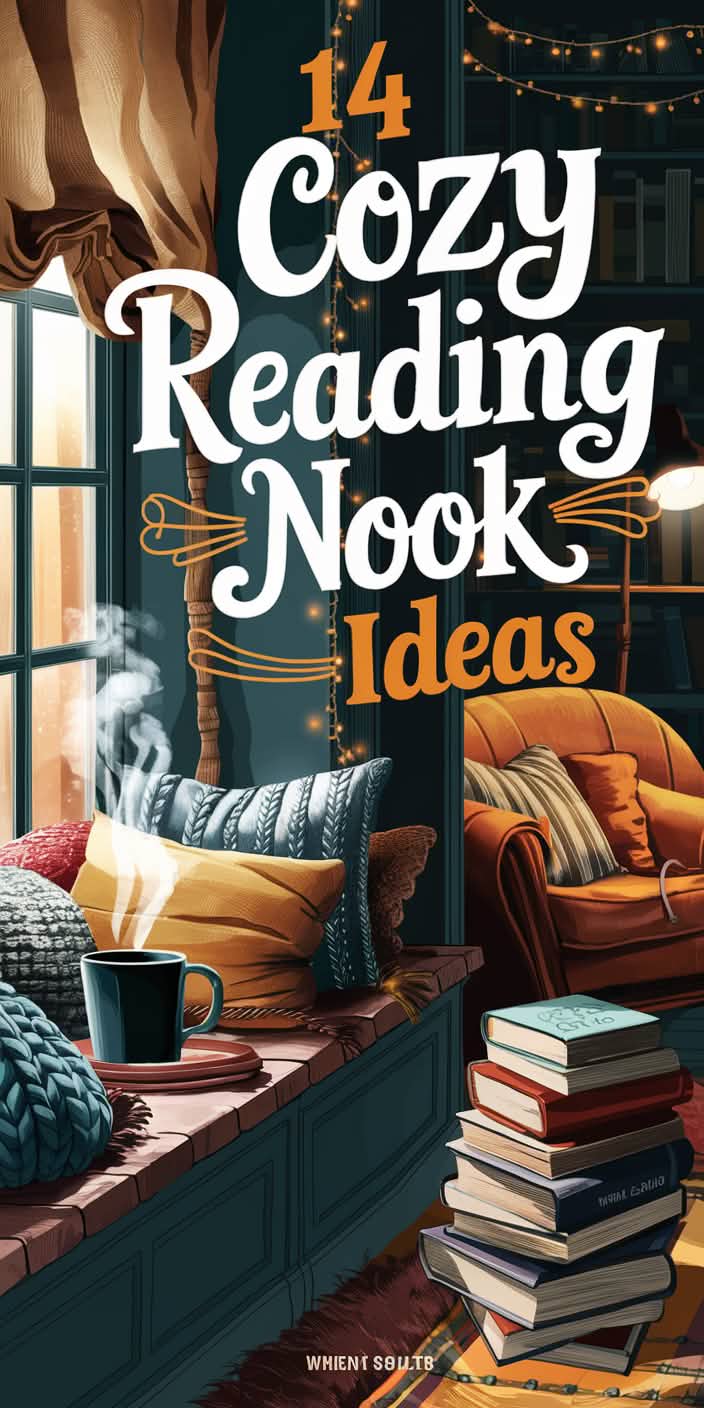
I once built a little corner in my apartment because I needed a place to vanish for an hour—a private tiny room made from cushions and light. It worked. The book held me. The world paused. That, more than any décor trend, is what a reading nook should do.
You'll find 17 Cozy Reading Nook Ideas to turn any corner of your home into that quiet place. We'll walk through the essentials—lighting that flatters, seats that keep you reading, storage that doesn't shout. You'll learn how to carve a window seat or hide a snug alcove, how to make space for books and time for yourself.

Key Takeaways
- 17 imaginative, practical reading nook ideas you can use at home
- The three essentials: light that flatters, seating that supports, storage that keeps your books close
- How to make the most of small corners and unused spaces to create your spot
- Comfort tips: pillows, blankets, and lighting that invite long reading sessions
- Bookshelf and style strategies—from modern minimal to classic, library-like corners
Essential Elements of a Perfect Reading Nook
I once read an entire Saturday because the light hit my face like a hand cupping a warm mug. That’s lighting: small, perfect, and quietly persuasive. To build a nook that keeps you there, start with three honest things — lighting, seating, and book storage — and let them do the heavy lifting.
Lighting Considerations
Light is the first sentence of any good reading afternoon. Use natural light when you can — a chair near the window, a patch of sun on the floor — and add task lighting for when dusk steals the hours. A swing-arm sconce or an adjustable floor lamp lets you point bright, focused light at the page without stealing the mood. Make sure your task light is adjustable so you can read without squinting as the day changes.
Seating Requirements
- Pick a seat that invites time: a slipper chair or a compact armchair is perfect for narrow rooms; a chaise or loveseat if you have more space.
- Add cushions and a throw. A lumbar cushion changes everything — it keeps your back from filing a complaint halfway through chapter two.
- If you imagine long sessions, prioritize support over looks. Comfort keeps you reading; style brings the visitors.
Storage Solutions
Books should live where you read them. Built-in bookshelves give you presence and storage; floating shelves save floor space and display favorites; repurposed crates or baskets add texture and cheap charm. Think about shelf depth: deeper shelves for big coffee-table books, narrower for paperbacks. Place a small stack on the side table for the book you’re currently courting.
| Storage OptionProsCons | ||
| Bookshelves | Hold many books, become a backdrop | Takes up floor space; plan placement |
| Floating Shelves | Save space, look tidy | Limit how many heavy books they can carry |
| Repurposed Crates/Baskets | Cheap, charming, flexible | Not ideal for large or heavy collections |
Before you start, sketch a tiny plan: where the chair will sit, where the light will land at 6 p.m., and where the nearest shelf will be. Make space for the things you love, and make sure the practical stuff—light, seat, storage—are all working together. That’s how a nook stops being an idea and becomes a place you actually go to read.
Window Seat Reading Retreats
I remember a morning when the sun leaned in through the glass and my window seat felt like a small forgiving island. I read two chapters, let the city blur, and thought: this is why we build nooks. A window seat is a cheat code for making a spot that feels both private and very much alive with the day.
Use that daylight. Let the view be part of your story. Plush cushions and hidden storage turn a plain ledge into a room-sized hug—soft velvet or cool linen for texture, a dense foam cushion for real support. Tuck a basket or shallow drawer beneath the bench for the books you’re cycling through this week.
| Design ElementConsiderations | |
| Cushion | Pick a supportive cushion in velvet, linen, or performance fabric that coordinates with your room and stands up to summer sun and rainy-day naps. |
| Storage | Use the space under the seat for books, blankets, or a magazine stash—drawers or baskets keep things neat and reachable. |
| Lighting | Position the seat to catch natural light by day; add a task lamp or wall sconce for night reading so you don’t strain your eyes. |
Design your window seat nook with care and a little impatience—this is the place you’ll steal an hour. If the seat is for kids, make sure edges are rounded and storage is anchored. For a how-to build guide, this video is a quick companion:
Cozy Reading Nook Ideas for Small Spaces
I lived in a studio once where the sofa was also the dining table and the closet was a roommate. I learned to make tiny corners apologetic — to bend so I could sit. A small space doesn't mean small reading; it means cleverness. With a little planning you can carve out a private patch of calm in the smallest room.
Corner Optimization Tips
Corners are the truest conspirators. Slide in a compact armchair or a built-in bench and suddenly the corner stops being wasted and starts holding a story. I once wedged a wide cushion into a three-foot nook and it became my daily retreat. Add slim shelves or a narrow bookcase against the wall to keep your current stack within arm’s reach.
Vertical Space Utilization
When floor room is scarce, look up. Wall-mounted shelves, floating desks, or a ladder of book niches reclaim the vertical. Think of a loft-style reading area — a daybed above and a small chair below — or install shelves to the ceiling to make your collection feel like a skyline. Use every inch so the floor can be the room you still need to walk through.
Multi-functional Furniture Selection
Furniture that doubles as storage is the language of compact nooks. An ottoman that hides blankets, a daybed that pulls double duty as a couch, or a swivel chair that tucks away when guests arrive — these are the tools. For kids, choose anchored low shelves and rounded edges; for adults, pick a chair about 24–28 inches wide if you’re short on space. The goal is to make a nook that works as a seat, a shelf, and a small sanctuary.
“Transform even the most compact corners into a delightful reading retreat.”
Creating Comfort with Pillows and Blankets
There was a rainy afternoon when I hid from email and the world under a knit blanket, a mug gone cold beside me, and everything outside reduced to the soft patter of rain. Pillows and blankets do that—they turn a chair into an argument you don't want to win. These reading nook accessories are the secret domestic alchemy that makes a nook feel like a private island.
Choose textures that speak to you: velvet for a small, luxuriant hush; linen for a breezy summer ease; chunky knit for a heavy, satisfied sigh. Neutral tones calm the room; a single bright pillow can be the punctuation that keeps the space from being polite. Layer different materials so your hand meets interest every time you reach for the book.

Place a lumbar cushion behind your lower back, then two side pillows for reading posture and arm support. Drape a blanket within reach—folded on the arm or tucked in a basket on the floor. If you're making a habit of rainy-day retreating, leave a plate for cookies; little rituals make a nook feel owned.
“There is no better way to spend a rainy day than curled up in a cozy reading nook with a good book and a soft, warm blanket.”
Try a quick exercise: grab one pillow you already own and swap its cover for something with a different texture. Which one makes you stay another chapter? Those small tests tell you what your nook really wants.
Lighting Solutions for Reading Corners
Light is where the story begins. I've read at dusk with a lamp that felt like a benediction — the kind of light that keeps the page honest and your eyes grateful. A good reading nook balances daylight with the right artificial glow so you can stay until the chapter is over, not until your eyes give out.
Natural Light Maximization
Place your chair near a window and let the day do the heavy lifting. Morning and afternoon sun make a nook feel like a private theater; mirrors can help bounce that light into darker corners. If your window faces nature, you get an extra layer of calm — leaves and sky become part of the reading scene.
Artificial Lighting Options
When the sun dips, task lights step up. Choose an adjustable lamp — a swing-arm sconce or an LED floor lamp with a dimmer — so you can focus light exactly where the book needs it. Task lights reduce eye strain and keep the mood intact. For accessibility, make sure your lamp is easy to reach and the controls are simple to use.
Ambient Lighting Effects
Ambient light is the atmosphere’s soft voice. A lamp with a warm bulb, a dimmer on the overhead, or a string of warm LEDs gives that gentle wash that makes a nook feel like a room that breathes. Candles add charm but use them safely and sparingly.
“The right lighting can transform a simple reading nook into a sanctuary of relaxation and inspiration.”
Quick exercise: do a three-minute lighting audit at 6 p.m. Sit where your nook will be and notice shadows, glare, and where the light lands on the page. Make a note: move the chair, add a small lamp, or place a mirror. Small design decisions about light make big differences in how long you stay and how much you read.
Bookshelf Integration Strategies
There’s a smell that announces a proper bookshelf: dust, glue, history. I love that smell. Shelves turn a nook into a small private library, and a little bookshelf envy is a harmless thing to cultivate. The trick is to make your books reachable and beautiful without cluttering the seat where you actually read.
Built-in bookshelves anchor a nook and make the whole corner feel intended. Consider a built-in bench with shallow shelves underneath for paperback rotation and a deeper shelf above for hardcovers. If floor space is at a premium, floating shelves create a display without bulk—mix horizontal stacks with vertical rows to keep the sightline interesting.
Get creative with reading nook storage: cubbies beneath a bench, baskets tucked beside the armchair, or a vintage trunk that doubles as a side table. For shelf planning, aim for varied heights so your collection has room to breathe; deep shelves (about 10–12 inches) work for larger books, while 8–9 inches is fine for most paperbacks and novels.

Two practical configurations to try: a floor-to-ceiling shelf wall behind a cozy cushion and lamp (acts like a backdrop and library), or a built-in bench with bookshelves beneath and a cushion on top (seat + storage in one). Want a tiny exercise? List ten books you’ll shelve first—your favorite small collection will tell you whether you need more shelves or a comfier cushion.
Attic and Unused Space Transformations
There’s a memory I have of crawling into the attic as a kid with a flashlight and a book, finding a small, slanted patch of quiet where the rest of the house felt politely distant. Attics and forgotten corners still hold that private kind of magic — a place that says you may stay for a while.
Sloped Ceiling Solutions
Slanted ceilings are an invitation, not a problem. Fit a low built-in bench under the eaves, add two short shelves to the side, mount a sconce at eye level, and you have a snug attic reading nook that feels deliberate. Check headroom and insulation first — if you plan cushions and people, make sure there’s safe clearance and proper ventilation. When in doubt, ask a pro about structural limits.
Hidden Nook Designs
Unused corners — under stairs, between closets, behind a shallow closet door — can become secret reading areas. Use curtains or a folding screen for privacy, anchor any shelving, and keep the floor soft with a rug or cushion. For kids, prioritize rounded edges and low shelves so the space is cozy and safe.
One simple blueprint to try: bench with a 2–3-inch foam cushion, two 8–10-inch deep shelves for books, and a small adjustable lamp mounted on the wall. It’ll give you a readable, sheltered nook on a floor you weren’t using before.
Modern vs Traditional Reading Nook Styles
Think of the modern nook as a quiet unread message: clipped sentences, clean lines, a calm that whispers rather than sings. It’s a small room that breathes—neutral palette, simple seating, and geometric light that reminds you to look up from the page. The traditional nook, by contrast, remembers names. It is warm, layered, and heavy with fabric: a lamp that glows like a small moon, a rug that feels like apology, and armchairs that promise you won’t leave in a hurry.
A contemporary reading nook favors minimal decor and a restrained color story. Choose sleek benches or low-profile seats, a simple rug, and a pared-down bookshelf so the light and the page do the talking. A classic book corner leans on texture and history: tufted ottomans, deep wood shelves, soft blankets and warm bulbs that turn the room into something like a private library.
| Modern Reading NookTraditional Reading Nook | |
| Clean lines, minimalist furnishings | Warm, textured fabrics, traditional silhouettes |
| Neutral color palette | Rich, earthy tones |
| Sleek, low-profile seating | Plush armchairs, tufted ottomans |
| Simple, geometric lighting | Vintage-inspired lamps, ambient lighting |
Want to blend the two? Try one modern piece—a slim bench or a simple shelf—paired with a vintage lamp or a warm rug. Swap cushion fabrics from linen to velvet and you’ve shifted the mood without rebuilding the room. Small design moves like that let your nook follow the life you bring into it: a neutral backdrop for wild reading habits, or a cozy library for slow Sundays.

Budget-Friendly Reading Nook Makeovers
You don't need a contractor or a fat budget to make a place that politely insists you stay. I rescued a limp armchair with a glue gun and stubborn hope and discovered that a nook's soul often comes from patience, not price. With a little DIY and some upcycling, you can make space for reading—even in a busy household with kids underfoot.
DIY Project Ideas
DIY is where imagination meets thrift. A simple window seat can be a weekend job; an old dresser can become a tidy storage bench with a cushion on top. Use affordable materials like plywood or salvaged wood, and keep safety in mind—wear eye protection and anchor tall pieces. Below are quick ideas with rough time expectations—check local conditions and measurements before building.
- Craft a cozy window seat (time: weekend project): basic carpentry, a foam cushion, and budget-friendly fabric turn a ledge into a seat.
- Transform a trunk or chest into a storage side table (time: 1–3 hours): sand, paint, and add a cushion for a dual-purpose piece.
- Build a simple floating bookshelf (time: 2–4 hours): reclaimed wood and basic hardware create neat book nooks without eating the floor.
Upcycling Solutions
Thrift stores, garage sales, and attic treasure hunts are gold mines. A vintage ladder makes an artsy shelf; a wooden crate becomes a magazine cubby; a discarded armchair revived with new fabric becomes a throne for reading. For kids’ areas, prioritize washable fabrics and anchored shelving so things stay tidy and safe.
- Convert a vintage ladder into staggered shelves for books and plants.
- Repurpose crates as stackable storage for books, blankets, or toys.
- Reupholster an old chair for a statement piece—new fabric, fresh life.
Practical tips: look for cushions and rugs at discount outlets, use peel-and-stick wall anchors for lightweight shelves, and keep a small toolbox handy. Share a before-and-after or tag a photo with a tiny prompt—Which of these ideas will you try this week? Your new nook might be cheaper than you think and infinitely better at keeping you reading.
Conclusion
If a reading nook is anything, it is permission: permission to stop, to sit, to read until the kettle whistles and the world arranges itself into a quieter order. A little attention to lighting, a seat that actually supports you, and a place for the books you love will turn any neglected corner into that place.
Pick the look that fits your life. A modern nook can feel like a cool pause in a loud home; a classic corner can hold you like a small private library. Make sure the practical things are solved first—good light, sensible storage, and a comfortable seat—then let the decor follow what you love.
Now do one small thing: clear a single patch of floor, place a cushion, set a stack of books, and leave a cookie on the side table for company. Try different setups until the nook becomes the kind of spot you keep returning to. Share one sentence about your favorite reading spot or post a photo with a hashtag; I'd love to see where you disappear to with a book.
FAQ
What are the essential elements of a perfect reading nook?
A great nook needs layered lighting, a comfortable seat, and nearby storage for books and things you use while reading. Those three make the space both practical and inviting.
How can I transform my window seat into a charming reading retreat?
Add a supportive cushion, a mix of pillows for posture, and hidden storage underneath for books and blankets. A small task lamp or sconce makes it useful at night.
What are some cozy reading nook ideas for small spaces?
Use corners, vertical shelves, and multi-functional furniture—like a bench with storage or an ottoman that hides blankets—to make a tiny area into an inviting nook.
How can I enhance the comfort of my reading nook with pillows and blankets?
Layer textures—linen, velvet, chunky knit—and include a lumbar pillow for support. Keep a soft blanket handy for long afternoons or cool summer evenings.
What lighting solutions should I consider for my reading corner?
Maximize natural light during the day and use adjustable task lighting for night reading. Add ambient light (a dimmer or warm bulbs) so the nook feels welcoming at any time.
How can I integrate bookshelves into my reading nook design?
Choose built-ins for a seamless library feel, floating shelves for tight spaces, or baskets and cubbies for a relaxed, casual collection—place your favorite books within arm’s reach.
How can I transform unused spaces like an attic or a hidden corner into a cozy reading retreat?
Fit a low bench or seat under sloped ceilings, add shelves and a small lamp, and check headroom and ventilation. Hidden nooks under stairs can become charming spots—anchor shelves and soften the floor for safety, especially with kids.
How can I create a budget-friendly reading nook makeover?
Try DIY projects and upcycling: reupholster thrifted chairs, build simple floating shelves, or repurpose crates for storage. Small investments—cushions, a lamp, a rug—can make a big difference.