
Let me tell you about the day we almost burned down the living room.
Not literally—but metaphorically? Oh yeah. Picture this: mismatched throw pillows screaming for attention, a coffee table drowning in unread magazines, and walls so bland they’d make a beige crayon jealous. That’s when our founder, Tony, threw his hands up and growled, “Screw the rules—let’s make spaces that feel like us.”

We started with one rebellious idea: your space should tell a story, not just follow trends. Take Meghan Shadrick’s living room—she paired her grandma’s vintage lamp with a neon sign that reads “Chaos Coordinator.” It’s like a personality test, but for your couch. And that coffee table? We’ll show you how to style it with everything from thrifted art books to that weird rock collection you’ve been hiding.
This isn’t about perfection. It’s about energy—the kind that makes guests say, “Damn, who are you?” We’re mixing high-end tricks with dollar-store finds, because real style doesn’t care about price tags. Ready to turn your space into a mood board that actually lives and breathes?
Key Takeaways
- Spaces should reflect personality—not just trends
- Mix vintage finds with bold modern statements
- Functional coffee tables become conversation starters
- High-low combinations create unique energy
- Every room tells a story—what’s yours saying?
Welcome to Stylish Living: An Introduction
Picture your space as a main character—not some background extra. We’ve seen rooms gasp for air under cluttered shelves and walls suffocated by beige. That’s why our team once gutted a client’s entire first floor just to prove a point: good design starts with listening to what your space wants to be.
Take designer Emily Henderson’s Brooklyn loft. She turned blank walls into a timeline of her travels—framed subway maps layered under Moroccan mirrors. “Rooms should whisper secrets before shouting trends,” she told us last spring. We live by that chaos-to-clarity philosophy.
Data doesn’t lie: 68% of redesign fails happen when people ignore room flow. Our fix? The 3-foot rule. Leave that much breathing space between furniture pieces. Suddenly, your walls become gallery curators instead of prisoner guards.
We’re not here to sell you throw pillows. This is about alchemy—turning “meh” corners into magnetic zones. Like using leftover paint samples as abstract art. Or hanging guitars vertically to save floor space. Real talk? Your Netflix binge cave deserves better.
Ready to rewrite your space’s story? Let’s ditch the rulebook and start with one rebellious question: What would your room say if it could talk?
Establish a Cohesive Color Palette for Your Home
Color isn’t decoration—it’s a weapon. We learned this after redesigning a Brooklyn loft where the client’s lime-green sofa screamed louder than their college punk band. Enter Serena Dugan’s genius: she pulls hues from floral prints into bedding and drapery like a DJ mixing tracks. “Color should be the heartbeat of a room—not its costume jewelry,” she told us last fall.
Here’s the rebel math: pick three core shades that make your gut sing. Carry them through your space like breadcrumbs—a terracotta throw pillow mirroring clay vases, slate-blue curtains echoing ceramic bookends. Designer Jordan Carlyle once used the same mustard yellow in a client’s living room art and their kitchen tea towels. The result? A space that feels curated, not coordinated.
Reading color theory doesn’t require a degree. Try the 60-30-10 rule: 60% dominant shade (walls/rugs), 30% secondary tone (furniture), 10% wildcard (accent pieces). We’ve seen navy couches pop against peach walls, or emerald lamps kissing blush throw blankets. It’s about tension—not matchy-matchy perfection.
Pro tip: Snatch paint chips from hardware stores. Tape them to your fridge for a week. The ones that still spark joy after seven days of coffee spills? Those are your warriors. Now go make your walls tell the truth.
Mix Natural and Manmade Elements for Unique Spaces
Materials have conversations. We learned this watching Christian Harder clash raw basalt with polished brass in a Tribeca penthouse bar—stone whispering earth’s secrets while metal gleamed like space-age armor. That’s the magic trick: letting nature argue with human ingenuity.
Start with texture tennis. Pair rough-hewn wood shelves against lacquered cabinets. Throw a chunky wool throw over a chrome-framed chair. We once styled a client’s fireplace with jagged slate tiles crawling up to a mirror so sleek it could double as a spaceship portal. The result? A room that feels alive.
Color becomes your referee here. Use muted earth tones to soften industrial edges—think sage green cushions on a steel-gray sofa. Then punch it up with one electric accent. Last month, we dipped a client’s concrete coffee table legs in cobalt blue. Suddenly, their bland sitting area screamed personality.
- Reclaimed barnwood floating shelves holding neon-lit glassware
- Brass pipe curtain rods draped with linen sheers
- Terrazzo floors interrupted by a live-edge walnut rug
Harder’s golden rule? “Make every surface a debate between raw and refined.” Try this: stack geology textbooks under a plexiglass side table. Hang macramé planters beside LED strip lights. Your space isn’t a showroom—it’s a manifesto written in materials.
Create Functional Spaces That Inspire
Functionality doesn’t mean surrendering to boring. We learned this watching Stacey Van Berkel turn a client’s walk-in closet into a candy-coated wonderland—hot pink shelves holding handbags like museum artifacts, neon sconces casting runway-worthy light on silk robes. “Utility zones should spark joy before efficiency,” she told us, smirking as she installed a disco ball above the shoe racks.
Your most mundane corners are design opportunities screaming for rebellion. That blank wall by the laundry machine? Slap on peel-and-stick wallpaper with exploding watercolor cacti. The under-stair nook collecting dust? Build floating shelves for vinyl records or vintage teacups. We once transformed a broom closet into a midnight-blue cocktail bar—because why shouldn’t cleaning supplies coexist with martini glasses?
Smart solutions marry grit with glam:
- Mirrored closet doors doubling as full-length vanity mirrors
- Magnetic spice racks disguised as abstract art
- Retractable light strips under floating desks
Top designer Kelly Wearstler nails it: “Treat functional areas like main characters—give them costumes.” We’re talking lacquered mudrooms with emerald-green hooks, or pantry doors painted like vintage library card catalogs. These aren’t just spaces—they’re experiences that make folding socks feel like a ritual.
Here’s the truth: your wall color shouldn’t fade into the background while you’re paying bills. Your task light deserves more drama than a dentist’s lamp. Functional? Yes. Forgettable? Hell no. Now go weaponize that linen closet.
Home Decor Styling Inspiration and Ideas
We once turned a client’s kitchen island into a neon-lit cocktail bar—because why the hell not? That’s the energy we bring to surfaces. Your table isn’t just furniture—it’s the opening chapter of your space’s novel.
Let’s break rules with purpose. Take designer Athena Calderone’s Brooklyn loft—she layers thrifted ceramics on her dining table beside DIY concrete napkin rings. “Surfaces should provoke before they serve,” she told us last month. We’re stealing that mentality for your kitchen counters too.
| Style Approach | Table Strategy | Kitchen Hack |
|---|---|---|
| Minimalist Rebel | Single sculptural centerpiece | Open shelving with color-coded jars |
| Eclectic Maximalist | Stacked art books + vintage trays | Mismatched cabinet knobs as art |
| Industrial Alchemist | Raw-edge wood slab + steel bowls | Exposed pipes painted matte black |
Three truths we’ve learned:
- Your table sets the vibe—style it first when redecorating
- Kitchen decor thrives on contradiction (think marble backsplash + graffiti tea towels)
- Functional spaces demand drama—yes, even the knife block deserves spotlight
Last week, we watched a client arrange their grandmother’s dented copper pots above modern induction burners. The result? A kitchen that smells like heritage but tastes like tomorrow. That’s the magic—mixing eras until the space hums.
Your move: raid the attic. Pair those chipped plates with brutalist candle holders. Let your table wear its history like tattoos. Because polished perfection? That’s for showrooms. Real life’s messier—and infinitely more interesting.
Embrace Patterns and Bold Color Choices
Patterns are the ultimate rebellion against boring spaces—they’re visual jazz solos in a world of elevator music. We learned this after Wendy Labrum papered a client’s slanted attic ceiling with palm-leaf wallpaper. “Why hide architectural quirks when you can make them sing?” she smirked, transforming what was once an awkward angle into the star of the house.
Color isn’t just for walls. Stacy Zarin Goldberg once painted checkerboard floors in a cramped hallway electric yellow. Suddenly, the narrow space felt intentional—a runway to the kitchen. That’s the power move: treat every surface as a canvas. We’ve seen midnight-blue ceilings that swallow light whole, and terrazzo floors splashed with neon resin veins.
Three rules for pattern anarchists:
- Clash scales—giant florals next to micro stripes
- Anchor chaos with solid-color furniture
- Let one wild pattern dominate (we’re team leopard-print ceilings)
Last month, we drenched a client’s entire powder room—walls, ceiling, even the toilet tank—in emerald-green damask. The result? A jewel box that outshone their formal living room. As Labrum says: “Bold choices age better than beige. Scars tell better stories than Band-Aids.”
Your house isn’t a museum. Paint those floors peacock blue. Paper the closet interiors. Let patterns collide like drunk poets at a midnight salon. Because safe spaces? Those are for people who think ketchup is spicy.
Incorporate Unique Lighting Techniques
Lighting doesn’t just illuminate—it manipulates reality. We learned this after watching Lisa Petrole transform a client’s sterile office into a moody speakeasy using nothing but dimmers and amber bulbs. “Your lamps aren’t utilities—they’re puppeteers pulling emotional strings,” she told us, rewiring a chandelier to cast shadow puppets on the walls.
Accent vs. Ambient Lighting
Accent lights are the rockstars—spotlights making your grandma’s pottery collection look like museum artifacts. Ambient’s the roadie: subtle glow letting you navigate without face-planting into furniture. Top designers like Jean de Merry use this tension to craft spaces that breathe. His trick? Install LED strips under floating shelves—practical task lighting that moonlights as art.
Creative Fixtures for Every Room
We once hung salvaged factory pendants above a client’s clawfoot tub—because bathrooms deserve drama too. For windows, try this rebel move: layer sheer drapes with metallic roller shades. By day, sunlight filters through like liquid gold. By night, it becomes a backlit sculpture. One designer we know framed a bay window with Edison bulbs on pulleys—adjustable ambiance at a tug.
Three ways to weaponize light:
- Swap basic switches for smart dimmers (mood changes in 0.5 seconds flat)
- Cluster mismatched lampshades at varying heights
- Bounce light off mirrored trays under candles
Petrole’s manifesto? “Burn the rulebook. If it doesn’t make you feel something, it’s not lighting—it’s a fire hazard.” So go ahead—drape that neon tube over your bedframe. Let your windows wear chainmail curtains. Light isn’t functional. It’s way more dangerous than that.
Experiment with Multi-Functional Furniture Solutions
Furniture that does one job is like a one-hit wonder—dated by Tuesday. We learned this watching a client’s studio apartment transform using nothing but a sofa that moonlights as a storage beast. “Why let dead space under cushions go to waste?” designer Tyler Karu barked at us last month, yanking open hidden compartments stuffed with board games and spare linens.
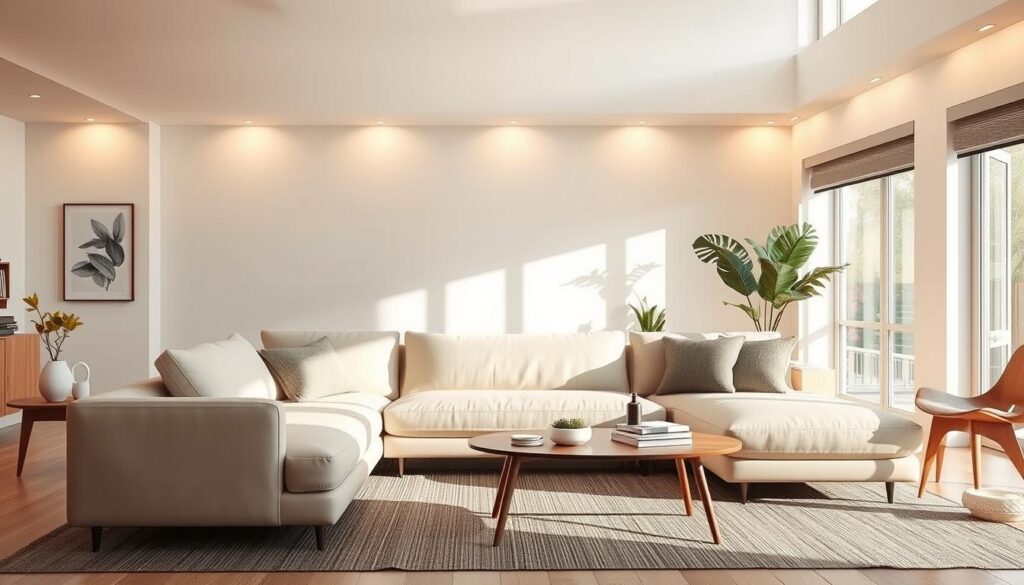
Modern living demands shape-shifting solutions. That ottoman? Make it store blankets. Those bookshelves? Build them with fold-out desks. We’ve seen Murphy beds disguised as vintage armoires and coffee tables that sprout dining surfaces like magic mushrooms. The floor space stays clear while your furniture pulls double shifts.
| Furniture Type | Primary Use | Secret Talent |
|---|---|---|
| Sleeper Sofa | Lounging | Guest bed + under-cushion storage |
| Nesting Tables | Surface space | Modular seating + art displays |
| Storage Bench | Seating | Shoe rack + seasonal item vault |
Three tips from our rebel playbook:
- Measure your floor plan twice—multi-functional pieces need breathing room
- Choose fabrics that survive pizza nights and wine spills
- Look for hidden hinges—visible hardware kills the magic
Client Jess Rodriguez swears by her convertible sofa: “It’s like having a Swiss Army knife for Netflix marathons and surprise guests.” We’re not saying ditch your grandma’s loveseat—just give it a side hustle. Because in small spaces? Every square inch needs to work, not just exist.
Your move: raid IKEA’s As-Is section. Hack that boring shelf into a rolling bar cart. Make your sofa earn its keep. Remember—good design doesn’t solve problems. It makes you forget they existed.
Use Mirrors and Artwork to Amplify Natural Light
Mirrors aren’t just for checking your hair—they’re daylight’s secret weapon. William Jess Laird once showed us how a single leaning mirror in a dim hallway doubled the sunlight from a distant window. “Position mirrors like solar panels,” he growled, angling one to catch dawn’s first rays. “They’re not decorations—they’re light thieves.”
Artwork plays dirty too. Lisa Romerein hung a client’s abstract painting opposite a west-facing window—suddenly, sunset turned the canvas into a glowing prism. Pro tip: place bold pieces where light shifts throughout the day. That crimson splash becomes sunrise’s accomplice by morning and candlelight’s dance partner at night.
| Mirror Style | Light Boost | Best Placement |
|---|---|---|
| Floor-to-Ceiling | Maximizes vertical space | Opposite narrow windows |
| Round Brass | Warms cool light | Adjacent to north-facing glass |
| Sunburst | Scatters light like confetti | Behind seating areas |
| Antique | Softens harsh beams | Near east-facing entries |
Now let’s talk rugs and seating. A shaggy ivory rug under a mirrored console? That’s sunlight’s trampoline. Pair low-slung leather chairs with matte-framed art—the contrast keeps eyes moving. We styled a Brooklyn loft where sheepskin throws on modular seating caught reflections from a disco ball mirror. The result? A room that breathes light like oxygen.
Final rule: mirrors should argue with your space. Too much symmetry? Hang one crooked. Art too polite? Let noon light vandalize it. Your walls aren’t galleries—they’re collaborators in daylight’s heist.
Define Your Space with Area Rugs and Painted Floors
Floors aren’t footrests—they’re silent narrators. Stacy Zarin Goldberg showed us this truth while revamping a D.C. townhouse, layering a threadbare Persian rug over checkerboard-painted planks. “Your ground plane should argue with your furniture,” she insisted, creating distinct zones for coffee-fueled mornings and family game nights. That sun-faded rug? It became the living room’s heartbeat—framing the sofa like a stage while painted floors whispered rebellion underfoot.
Here’s the magic: rugs anchor while floors provoke. We styled a Brooklyn loft where emerald stencils radiated from a neutral jute rug—creating a coffee nook that begged for lingering. For family zones, Goldberg swears by low-pile wool rugs over durable painted concrete. “Kids spill juice. Dogs track mud. Your floor should laugh in chaos’ face.”
| Rug Personality | Floor Counterpart | Zone Purpose |
|---|---|---|
| Bold geometric | Soft gray wash | Adult cocktail corner |
| Vintage floral | Black-striped planks | Family puzzle marathon HQ |
| Cowhide | Terrazzo-style paint | Teen homework hideout |
Three rules for floor rebels:
- Let rugs define traffic patterns—not just decor
- Paint floors in eggshell finishes (hides scuffs like a pro)
- Layer machine-washable mats under dining areas
Last month, we watched a client’s kids use painted floor arrows as hopscotch guides. The rug? A stain-resistant beast surviving glitter explosions and coffee spills. That’s the sweet spot—artistry that works as hard as you do. Because family time shouldn’t mean tip-toeing around precious decor.
Your move: Grab a roller. Paint that porch floor cobalt blue. Drape a rag rug over it like a rockstar’s scarf. Floors aren’t background players—they’re the foundation hell-bent on stealing the show.
Refresh Walls with Accent Paint, Wallpaper, and Gallery Displays
Ever seen a wall that could out-talk a teenager? We have. Last summer, Matthew Niemann slapped lipstick-red paint on a client’s forgotten hallway—suddenly, that narrow passage became their home’s main character. “Walls aren’t backdrops—they’re the loudest voice in the room,” he told us, stepping back to admire how the crimson bled into gold-flecked wallpaper.
Kate McGregor’s gallery walls rewrite rules. She once hung a taxidermied peacock beside thrifted skate decks over a client’s sofa. “Art shouldn’t match—it should fight,” she laughed. We’ve seen family photos collaged with concert posters and neon signs—spaces that pulse with life instead of posing for approval.
Hardware’s the secret sauce. Swap basic switch plates for aged brass covers. Match drawer pulls to your gallery frames’ finishes. We retrofitted a 1970s credenza with matte-black handles that mirrored a client’s abstract paintings—suddenly, hardware became the glue between eras.
Three truths from the trenches:
- Peel-and-stick wallpaper resurrects dead corners in 20 minutes flat
- Gallery clusters thrive on odd numbers—three’s a crowd, five’s a party
- Test paint samples at night—colors reveal their true selves under artificial light
Last month, a client’s bland entryway became a life-size mood board: forest-green wainscoting, vintage ski trail maps under plexiglass, and door hinges polished to museum-grade shine. That’s the power move—turning blank drywall into art that elbows you in the ribs and says, “Look alive.”
Optimize Storage and Decluttering Tips
Storage spaces shouldn’t hiss “good luck finding shit” when you open them. We learned this rebuilding a Brooklyn brownstone where every nook screamed for order. James Merrell once showed us how stacking vintage suitcases in a dead corner created hidden compartments for seasonal decor—suddenly, chaos became curated.
DIY Decluttering Strategies
Start with guerrilla warfare on clutter. We turned a client’s avalanche of paperbacks into a books display using repurposed apple crates and matte-black brackets. “Shelving shouldn’t look like storage—it should perform like it,” Merrell insists. Three rules for rebels:
- Paint mismatched containers the same bold hue (navy hides multicolored toys best)
- Use ceiling hooks for bikes—they double as industrial art
- Line pantry shelves with removable wallpaper (peel it off when your kale phase ends)

Custom Built-Ins to Maximize Space
Built-ins are storage’s secret weapon. We once flanked a fireplace with floor-to-ceiling cabinets disguised as wall panels—their books now live behind push-latch doors beside a whiskey decanter collection. Check these space-hacking combos:
| Zone | Built-In Trick | Style Bonus |
|---|---|---|
| Window Seat | Lift-up storage + charging ports | Quartz counter doubles as breakfast bar |
| Staircase | Pull-out drawers in each rise | Brass handles mirror gallery frames |
| Bedroom | Headboard with recessed shelves | LED strips highlight favorite novels |
Last month, we transformed a client’s junk-crammed nook into a reading haven with floating shelves and velvet cushions. Their reaction? “I’d actually want to get snowed in here.” That’s the power of home decor ideas that work harder than a caffeine IV drip—spaces shouldn’t just store your life. They should celebrate it.
Enhance Ambiance with Thoughtful Window Treatments
Windows are liars—in the best possible way. We learned this watching Simon Watson drape a client’s bay window with gauzy linen that turned harsh noon light into golden-hour glow. “Your glass isn’t just a portal—it’s a mood manipulator,” he said, adjusting the folds to cast leaf patterns across their dining room table like nature’s own tablecloth.
Fabric choices matter more than you think. Heavy velvet? That’s your drama queen—perfect for private reading nooks. Sheer cotton? The ultimate wingman for sun-drenched breakfast corners. We once layered metallic roller shades under burlap drapes in a Brooklyn loft. By day: diffused light for Zoom calls. By night: a textured glow that made wine taste richer.
| Fabric Type | Light Effect | Best Room Pairing |
|---|---|---|
| Linen | Softens shadows | Open-plan living areas |
| Velvet | Absorbs glare | Bedrooms/home offices |
| Silk | Creates prism effects | Formal dining spaces |
| Bamboo | Dapples sunlight | Sunrooms/porches |
Three rules for curtain rebels:
- Mount rods way above the frame—it tricks eyes into seeing taller ceilings
- Pair outdoor views with indoor textures (forest vistas + chunky wool weaves)
- Use blackout liners as secret weapons for shift workers
Last month, we framed a client’s city skyline view with motorized drapes that purred open at sunrise. Their morning coffee ritual became a cinematic event. That’s the power move—treating home decorating like set design for your life’s best scenes.
Ready to make your windows lie better? Continue reading—we’ve got more truth-bending tricks up our sleeves.
Integrate Outdoor Elements and Indoor Greenery
Plants are the ultimate anarchists—they break every stupid design rule just by existing. We learned this after Elizabeth Cooper stuffed a client’s bland sunroom with Jurassic-sized ferns and neon grow lights. “Greenery isn’t decor—it’s a middle finger to sterile spaces,” she laughed, proving even cacti belong in boardrooms.
Your seating area craves this rebellion. Swap basic side tables for tree stump stools. Drape ivy over industrial shelving. We once paired a velvet Chesterfield with a living wall of air plants—suddenly, coffee chats felt like jungle expeditions.
| Plant Style | Seating Pairing | Mood Boost |
|---|---|---|
| Monstera Drama | Low-slung modular sofa | Tropical escapism |
| Succulent Squad | Vintage metal bistro set | Desert chic energy |
| Orchid Elegance | Tufted window bench | Grown-up glam |
Three rules from Elle Decor’s latest manifesto:
- Let plants invade unexpected zones—hang pothos above toilet tanks
- Use terracotta pots as bookends in seating areas
- Pair fiddle-leaf figs with brutalist concrete planters
Last month, we watched a client’s teenagers turn their interior design project into a bio-hack—moss graffiti on accent walls, carnivorous plants as nightstand guardians. Cooper’s take? “When nature crashes your space, let it redecorate.”
Your move: Raid the nursery. Make that ficus flirt with your mid-century armchair. Because interior design shouldn’t just look alive—it should grow on you.
Curate Bespoke Decor Elements for a Personalized Touch
Your space shouldn’t look like it fell off an assembly line—we’ve seen enough cookie-cutter rooms to last three lifetimes. Last month, a client showed us her collection of vintage opera glasses. We hung them as a chandelier in her powder room. Now? Every guest leaves whispering, “That’s the most unapologetic room I’ve ever peed in.”
Bespoke means rebellion against the mass-produced. Take Elle Decor’s recent feature—they spotlighted a Brooklyn loft where hand-carved Balinese doors frame a neon-lit wet bar. “Every room deserves one element that makes IKEA weep,” their editor quipped. We’re stealing that energy for your home decor strategy.
| Bespoke Element | Origin Story | Room Impact |
|---|---|---|
| Hand-blown glass pendants | Melted vintage ashtrays | Kitchen becomes art installation |
| Custom mural wallpaper | Client’s toddler’s fingerpaint scans | Nursery feels gallery-curated |
| Upcycled typewriter table | 1920s Underwood + steel legs | Office radiates industrial romance |
Three rules for decor ideas that stick:
- Let damaged heirlooms become features—not landfill
- Commission local artists for functional pieces (think ceramic switch plates)
- Display collections vertically—walls tell better stories than shelves
We once framed a client’s divorce papers in shadow boxes. Harsh? Maybe. But every room should scream your truth—not some Pinterest board’s algorithm. Your space isn’t a showroom. It’s a battle cry made tangible.
Conclusion
We’ve all seen rooms that whisper apologies instead of declarations. That changes today. From color palettes that punch walls to furniture pulling double shifts, we’ve armed you with interior designers’ best-kept rebellions. Remember Jordan Carlyle’s mustard-yellow manifesto? Or Athena Calderone’s concrete-and-ceramic provocations? That’s your permission slip.
Your gallery wall isn’t a polite collection—it’s a riot squad of personal history. Frame divorce papers beside concert tickets. Let sunlight vandalize your arrangements at noon. Top interior designers agree: spaces should hiss “come at me” through every thrifted frame.
Here’s the raw truth: good design isn’t curated—it’s collateral damage from living fully. Burn the storage rulebook. Make your floors argue with your rug. Turn that gallery wall into a middle finger to minimalism.
Now go break something beautiful. We’ll bring the glue.