
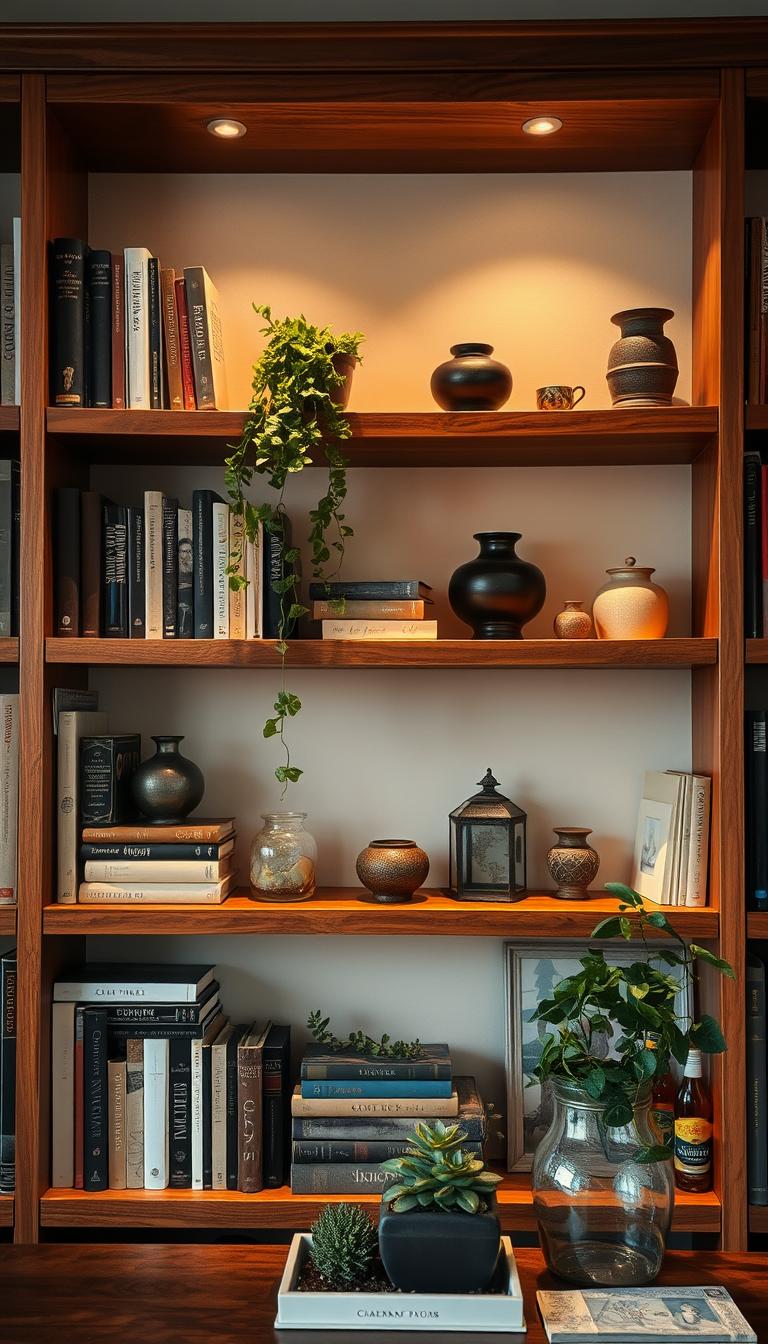
As a lifelong book lover, I’ve always struggled with finding the perfect way to display my collection. My shelves were cluttered, and my living area felt chaotic. That’s when I decided to explore fresh concepts to transform my home. These ideas not only organized my space but also added a touch of personality to every corner.
Inspired by #BookTok trends, I discovered creative ways to blend functionality with aesthetics. From minimalist designs to bold, artistic arrangements, each concept brought a unique vibe to my room. The key was balancing practicality with visual appeal, ensuring my shelves were both useful and beautiful.
This journey taught me the importance of organization, personal expression, and seamless room integration. Whether you’re a book enthusiast or just looking to spruce up your home, these ideas can help you create a space that feels uniquely yours.
Key Takeaways
- Fresh display concepts can transform your living area.
- Blend functionality with aesthetics for a balanced look.
- #BookTok trends offer creative inspiration for shelf styling.
- Organization and personal expression are key themes.
- Seamless room integration enhances the overall appeal.
Introduction: Transforming My Space with Bookshelf Ideas
My passion for reading led me to rethink how I display my favorite titles. For years, my shelves were a mess. Books were stacked haphazardly, and my room felt cluttered. I knew there had to be a better way to make space for my collection while keeping it stylish.
That’s when I turned to #BookTok and design blogs for inspiration. I discovered countless creative ways to arrange books. From minimalist setups to bold, artistic displays, each idea sparked my imagination. I realized that loving how my books were displayed was just as important as having them organized.
The transformation was incredible. My once-cluttered shelves became curated spaces that reflected my personality. I learned that shelf styling isn’t just about storage—it’s about creating a reading nook that enhances the atmosphere of the entire room.
Here’s a quick comparison of my old and new approach:
| Aspect | Traditional Shelves | Curated Shelves |
|---|---|---|
| Organization | Random stacking | Thematic grouping |
| Aesthetics | Cluttered and messy | Clean and visually appealing |
| Room Impact | Added chaos | Enhanced atmosphere |
This journey taught me that a well-styled bookshelf can truly transform a space. Whether you’re a book lover or just looking to refresh your home, these ideas can help you create a room that feels uniquely yours.
1. Plants and Accessories: Bringing Life to Your Bookshelf
Adding greenery to my shelves transformed the entire vibe of my room. Inspired by @bookbabedesigns, I experimented with layered greenery to create a warm and inviting atmosphere. Mixing trailing plants like pothos with upright varieties such as snake plants added depth and texture to the display.
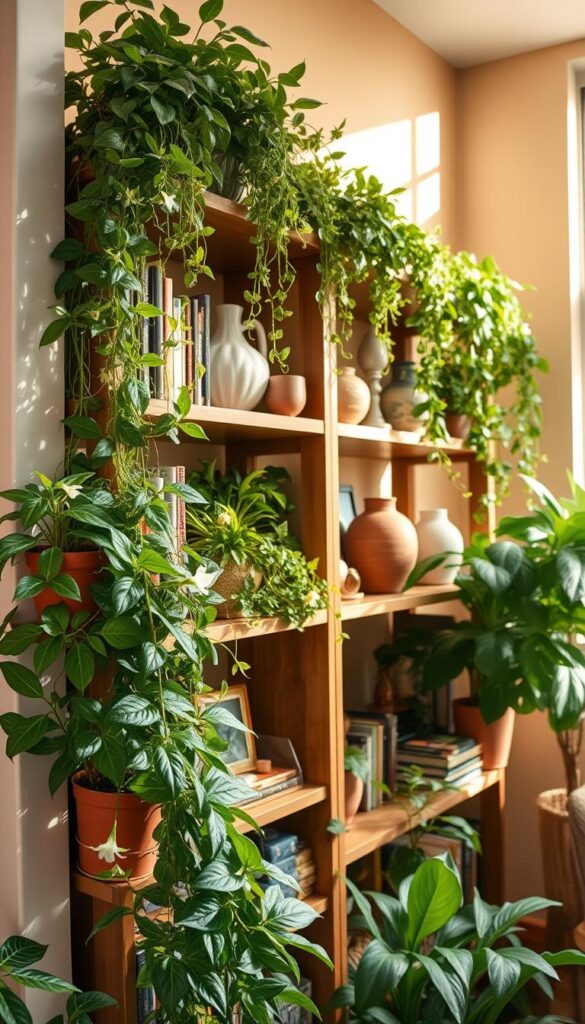
I also discovered that book stacks make excellent plant stands. By arranging books horizontally, I created sturdy platforms for small pots. This not only saved space but also added a unique touch to the design.
To enhance the look, I incorporated ceramic vases and mineral specimens as accents. These items added a personal touch and complemented the natural theme. However, I learned to be cautious about overwatering. Keeping plants healthy while protecting my books became a priority.
How to Use Plants to Create a Warm and Inviting Space
Plants are a simple yet powerful way to breathe life into your shelves. Start by choosing varieties that thrive indoors, such as succulents or ferns. Arrange them in a way that balances height and texture for a cohesive look.
Accessorizing with Unique Decor Pieces
Accessories like ceramic vases or small sculptures can elevate your shelf design. These items add personality and make the space feel curated. Remember, less is often more—choose a few standout pieces to avoid clutter.
2. Maximalist Shelves: A Bold Approach to Bookshelf Design
When I decided to embrace maximalism, my shelves became a canvas for creativity. Inspired by @sarahchappellhorton’s crystal and seashell arrangements, I began layering art, books, and decor to create a visually rich display. The key was finding harmony among the diverse elements.
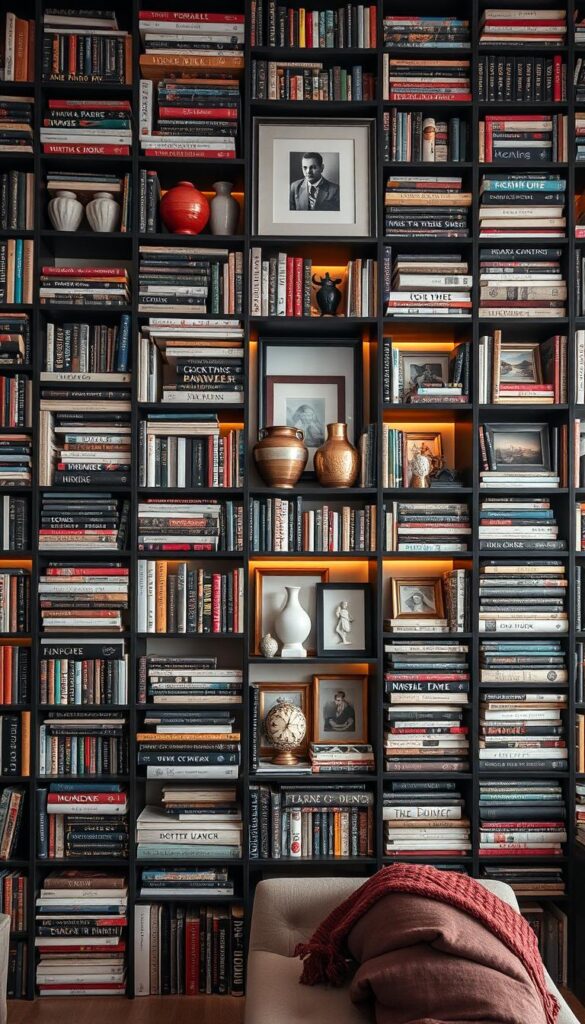
One of my favorite techniques was using the 60-30-10 ratio. I allocated 60% of the space to books, 30% to art, and 10% to decorative pieces. This balance ensured the shelves felt curated, not cluttered. Museum putty became my best friend, securing delicate items like crystals and figurines in place.
Balancing Art and Objects for a Cohesive Look
To achieve cohesion, I focused on color and texture. Neutral-toned books served as a backdrop for vibrant art and decor. I also grouped similar items together, like seashells or vintage trinkets, to create thematic clusters. This approach added structure to the otherwise eclectic display.
Tips for Avoiding Overwhelm in Maximalist Design
Maximalism can quickly become overwhelming if not done thoughtfully. I learned to rotate collections seasonally, keeping the display fresh and preventing stagnation. Another tip is to leave some negative space—it gives the eye a place to rest and enhances the overall design.
My first attempt at maximalism was a disaster. I crammed too many items onto the shelves, and the result was chaotic. From that experience, I learned the importance of editing and restraint. Now, I carefully curate each shelf, ensuring every piece has a purpose and place.
3. Colorful Designs: Making Your Bookshelf Pop
I wanted to inject more personality into my space, so I turned to colorful designs for my shelves. Inspired by @peachyhome’s white bookcase with a rainbow book arrangement, I discovered how vibrant hues can transform a room. The contrast between the white shelves and bold colors created a striking visual impact.
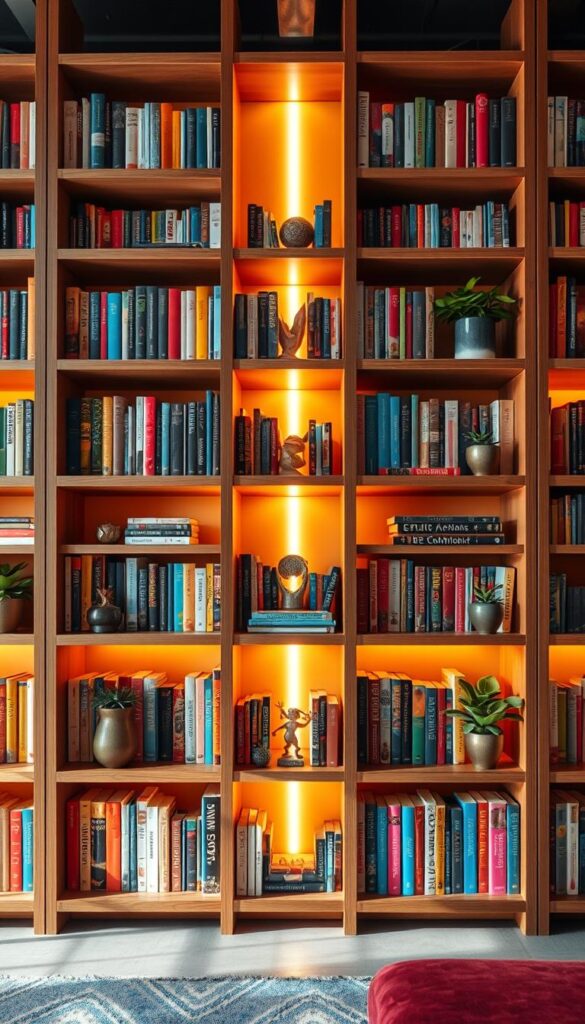
Color psychology played a big role in my design process. I learned that warm tones like red and orange evoke energy, while cool shades like blue and green promote calmness. This helped me decide how to arrange my books and decor to set the right mood.
Pairing White Bookshelves with Vibrant Decor
White shelves act as a blank canvas, allowing vibrant decor to shine. I used removable wallpaper on the back panels to add a pop of color without commitment. Acrylic bookends kept the colorful spines visible, maintaining the playful vibe.
Creating a Fun and Playful Atmosphere
To make the space feel lively, I mixed chromatic organization with intentional clashes. Grouping books by color created a cohesive look, while unexpected pairings added a touch of whimsy. The result was a bookshelf that felt both curated and spontaneous.
Before, my shelves were beige and bland. After the makeover, they became a focal point in the room. The transformation reminded me that a little color can go a long way in elevating a space.
4. Rolling Carts: Practical and Stylish Storage Solutions
Finding a functional yet stylish way to store my growing book collection became a priority. That’s when I discovered rolling carts. These versatile pieces not only provided ample storage but also added a modern touch to my space.
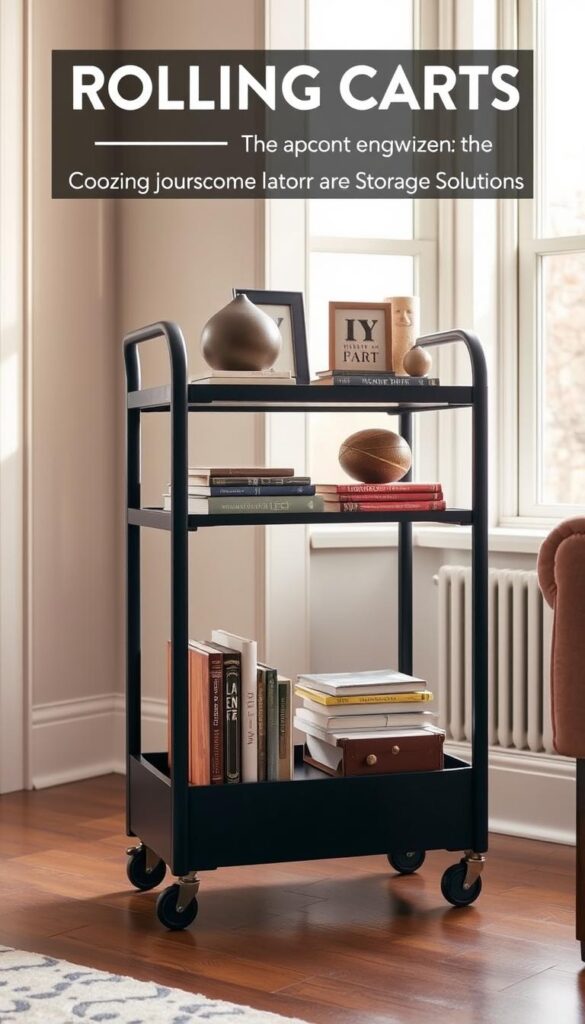
One of my favorite options is Walmart’s 3-Tier Metal Utility Cart. Priced at $43.99, it’s perfect for heavy books. The sturdy metal frame ensures durability, while the wheels make it easy to move around. I also experimented with bamboo carts, which offer a more natural look but are less durable for heavier items.
Using Rolling Carts for Large Book Collections
For my cookbooks, I created a dedicated cart system. Each tier holds a different category, like baking or international cuisine. This way, everything is organized and easy to access. I also added castor locks to keep the cart stable on carpets, ensuring safety.
Organizing Books with Bar Carts
Bar carts are another great option. I themed mine with my TBR (to-be-read) pile on one level and favorites on another. This not only keeps my books tidy but also adds a decorative element to the room. Just be mindful of the cart’s weight limit to avoid overloading.
| Feature | Metal Cart | Bamboo Cart |
|---|---|---|
| Durability | High | Moderate |
| Weight Capacity | Heavy | Light to Medium |
| Aesthetic | Modern | Natural |
Rolling carts have transformed my space, offering both practicality and style. Whether you’re organizing a large collection or just looking for a flexible storage solution, they’re a game-changer.
5. Whimsical Shelves: Adding a Touch of Fantasy
I’ve always been drawn to the magic of storytelling, and I wanted my shelves to reflect that enchantment. Inspired by @bluecastlesandlittlehouses’ character-themed styling, I transformed my shelves into a whimsical wonderland. This approach not only showcased my love for fantasy but also added a unique charm to my room.
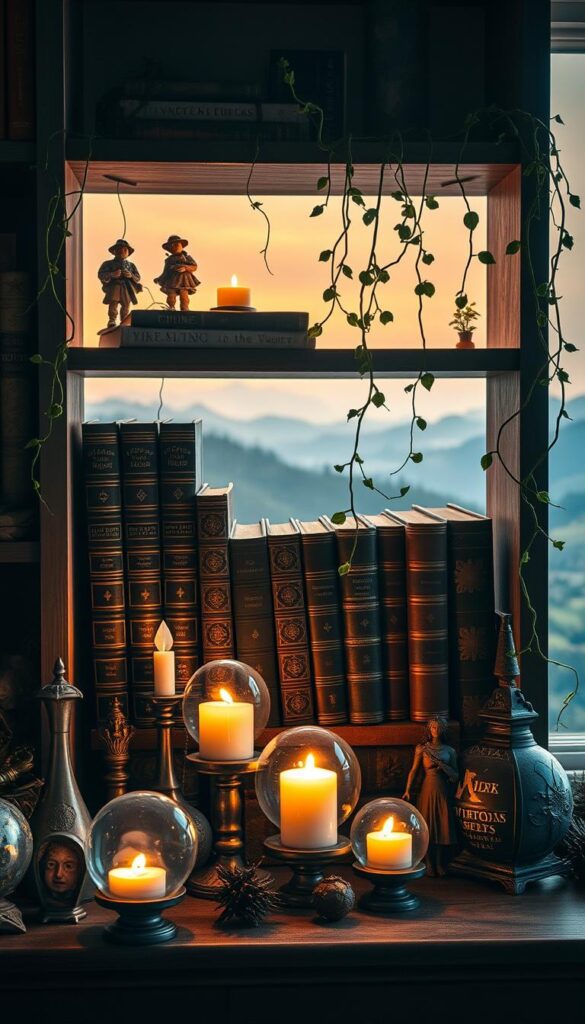
One of my favorite projects was creating a Harry Potter-themed shelf. I added owl figurines, miniature potion bottles, and even a tiny golden snitch. The result was a display that felt straight out of Hogwarts. To enhance the magical vibe, I integrated a miniature fairy garden between book stacks, complete with tiny mushrooms and glittering fairy lights.
Incorporating Figurines and Art for a Whimsical Look
Figurines and art are essential for achieving a whimsical design. I used DIY scene boxes to create little worlds between book stacks. For example, one box featured a forest scene with tiny deer and trees, while another had a beach setup with seashells and sand. These elements added depth and intrigue to the display.
Creating a Bookshelf That Sparks Imagination
To spark imagination, I experimented with book-facing displays. Turning some books backward created a sense of mystery, as if each spine held a secret waiting to be discovered. I also added small trinkets like vintage keys and magnifying glasses to encourage curiosity.
“A whimsical bookshelf isn’t just about storage—it’s about telling a story.”
However, I learned to be cautious with delicate items. Placing fragile figurines in high-traffic areas led to a few accidents. Now, I reserve those spots for sturdier decor and keep the delicate pieces higher up or in protected corners.
| Element | Purpose | Placement Tip |
|---|---|---|
| Figurines | Add character and theme | Group by theme for cohesion |
| DIY Scene Boxes | Create mini worlds | Place between book stacks |
| Book-Facing Displays | Add mystery | Use sparingly for impact |
Whimsical shelves have transformed my space into a place of wonder and creativity. Whether you’re a fan of fantasy or just looking to add a playful touch, these ideas can help you create a bookshelf that sparks joy and imagination.
6. Minimalist Designs: Simplifying Your Bookshelf
I’ve always admired the simplicity of minimalist designs, so I decided to apply it to my shelves. Inspired by Japanese wabi-sabi principles, I focused on creating a space that felt calm and intentional. The idea was to strip away clutter and let each item shine in its own way.
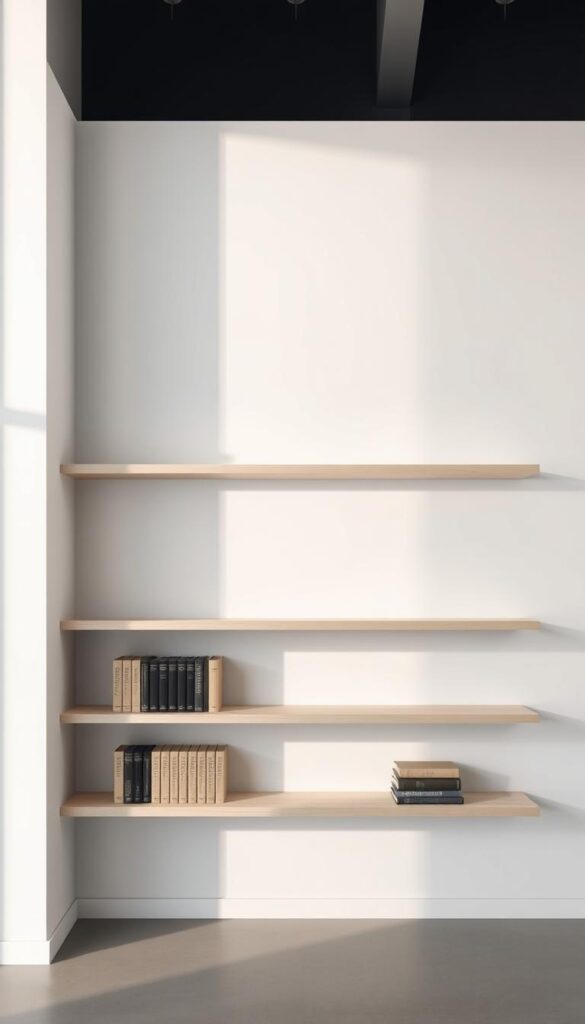
One of the first changes I made was adopting a monochromatic color scheme. By sticking to neutral tones like white, beige, and gray, I achieved a cohesive and serene look. I also experimented with painting the page edges of some books to match the palette, which added a subtle touch of design.
Using Large Plants and Art for Balance
To add life to the shelves without overwhelming them, I incorporated a snake plant. Its tall, structured leaves provided the perfect greenery without requiring much maintenance. I also hung a single piece of art above the shelves, creating a focal point that tied the space together.
Turning Books Around for a Serene Look
Inspired by @thewaveshavecome’s reversed spine aesthetic, I tried organizing some books with their spines facing inward. This hidden title approach gave the shelves a clean, uniform appearance. While it made finding specific books a bit tricky, the overall order and calmness were worth it.
“Minimalism isn’t about having less—it’s about making room for what truly matters.”
This experiment taught me that minimalist shelves can be both functional and beautiful. By focusing on simplicity and intentionality, I created a space that feels peaceful and inviting.
7. Leaning Bookshelves: Embracing Imperfection
Leaning bookshelves became my go-to solution for a dynamic and imperfect look. Inspired by @baileysbookhouse’s angled shelf color coordination, I realized that leaning shelves could add both style and functionality to my room. The diagonal design created a sense of movement, making the space feel alive.
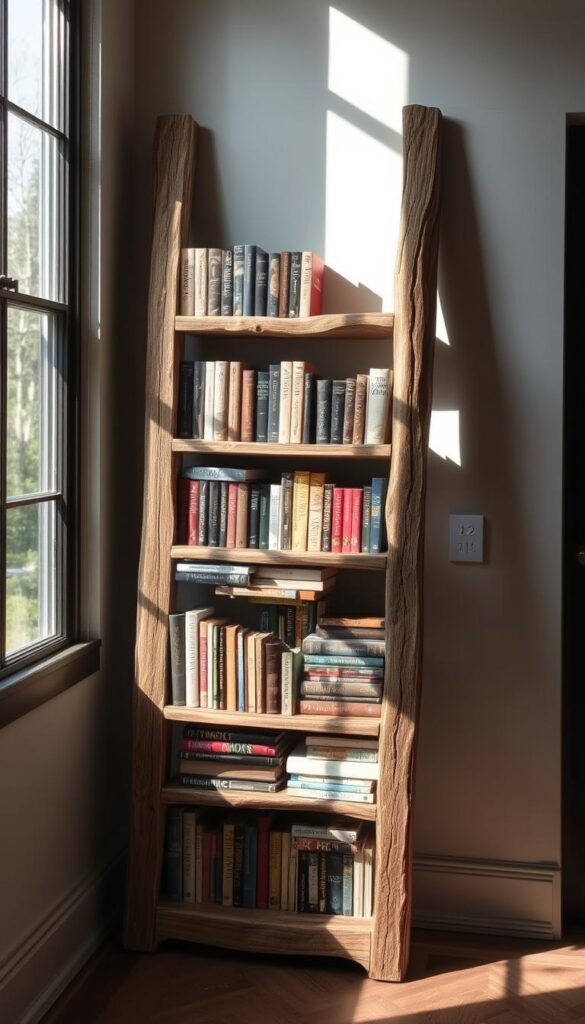
However, I quickly learned that structural safety is crucial. Leaning shelves must be securely anchored to prevent tipping, especially in earthquake-prone areas. I used wall brackets and heavy-duty screws to ensure stability. This gave me peace of mind while maintaining the unique design.
Using Diagonal-Leaning Bookshelves for a Unique Look
One of my favorite techniques was arranging books in a color gradient. Starting with warm tones at the top and transitioning to cooler shades at the bottom created a visually striking effect. This approach not only enhanced the color scheme but also made the shelves a focal point in the room.
To complement the leaning shelves, I positioned wall art at an angle. This mirrored the diagonal theme and tied the elements together. A single large painting or a gallery wall both worked beautifully, depending on the space.
Blending Colorful Books with Room Design
Weight distribution is another critical factor. I avoided overloading the shelves with heavy things like hardcover encyclopedias. Instead, I balanced heavier items at the base and lighter decor at the top. This ensured the shelves remained stable and visually appealing.
| Consideration | Tip |
|---|---|
| Structural Safety | Use wall brackets and heavy-duty screws. |
| Color Arrangement | Create a gradient for visual impact. |
| Weight Distribution | Place heavier items at the base. |
Leaning bookshelves taught me that imperfection can be beautiful. By embracing this unique design, I created a space that feels both dynamic and intentional.
8. Closet Collections: Creating a Personal Library
Transforming a closet into a personal library was a game-changer for my book collection. Inspired by @yasminelovesreading’s closet conversion project, I turned an unused space into a cozy reading nook. This not only solved my storage issues but also gave me a dedicated spot to enjoy my favorite books.
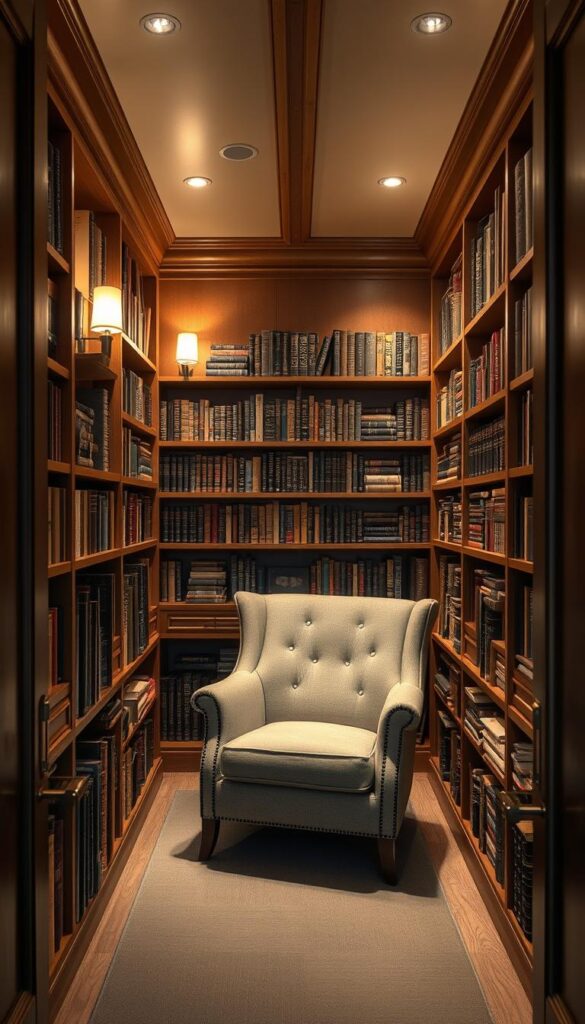
Organizing Large Book Collections in Closets
I started with an IKEA Billy bookcase, which fit perfectly into the closet. Its adjustable shelves allowed me to customize the layout for my collections. To protect my books, I added moisture-absorbing packets and a small dehumidifier. This kept the air dry and prevented any damage.
One of my favorite hacks was using a curtain rod to hang a reading light. It provided the perfect illumination without taking up extra space. I also installed a fold-down desk for jotting down notes or writing. This made the closet feel like a mini study area.
Designing a Dedicated Reading Nook
To make the reading nook more inviting, I added a soft rug and a comfy chair. Proper ventilation was key, so I installed a small fan to keep the air circulating. This ensured the space stayed fresh and comfortable.
“A closet library isn’t just about storage—it’s about creating a sanctuary for your books.”
This project taught me that even the smallest space can be transformed into something functional and beautiful. Whether you’re a book lover or just need extra storage, a closet library is a brilliant solution.
9. Horizontal Shelving: Maximizing Wall Space
Looking for a way to maximize my wall space, I turned to horizontal shelves. Inspired by @simplylovereading’s window-adjacent shelf solution, I discovered how this setup could create more room while keeping things stylish. Horizontal shelving not only adds storage but also enhances the overall design of a room.
Using Horizontal Shelves for More Room
When choosing between floating and bracket-supported shelves, I found both have their advantages. Floating shelves offer a sleek, modern look, while bracket-supported ones provide extra stability for heavier items. For my kitchen, I installed a horizontal shelf above the window to display my cookbooks. This clever use of space kept my countertops clear and added a decorative touch.
To keep everything organized, I used acrylic shelf dividers. These dividers not only added stability but also prevented books from sliding around. However, I learned the hard way that particle board shelves can’t handle too much weight. After one disastrous collapse, I switched to sturdier materials like solid wood or metal.
Displaying Favorite Items on Low-Lying Cabinets
Low-lying cabinets paired with horizontal shelves became my go-to for showcasing favorite items. I used the lower shelves for heavier decor and the upper ones for lighter pieces. This balance ensured the setup was both functional and visually appealing.
“Horizontal shelving is a game-changer for small spaces—it’s practical and stylish.”
For optimal results, I recommend a shelf depth of 10-12 inches. This measurement provides enough room for most books and decor without overwhelming the wall. Whether you’re looking to add storage or create a focal point, horizontal shelving is a versatile solution that works in any room.
10. Hidden Door Bookshelves: Combining Function and Style
Combining function and style, hidden door bookshelves transformed my home in unexpected ways. I’ve always loved the idea of secret spaces, and this project allowed me to create a unique blend of practicality and intrigue. By turning a simple doorway into a bookshelf, I added both storage and a touch of mystery to my room.
Transforming Doorways into Storage Solutions
One of the most exciting parts of this design was transforming a doorway into a functional bookshelf. I used Murphy Door’s hidden bookshelf door systems, which are specifically designed for this purpose. The installation process was straightforward, but I learned the importance of precise measurements and sturdy hardware.
My first attempt at a DIY pivot hinge was a disaster. The door wouldn’t close properly, and the bookshelf wobbled. From that experience, I realized the value of professional-grade systems like Murphy Doors. They ensure stability and seamless operation, making the project much easier.
Creating a Secret Library with Murphy Doors
Murphy Doors offer a variety of customizable elements, from wood finishes to shelf configurations. I chose a classic oak finish to match my room’s decor. The shelves were deep enough to hold my favorite books while maintaining the door’s functionality.
Soundproofing was another consideration. I added weather stripping around the edges to reduce noise and improve insulation. For added security, I integrated an RFID lock system. This allowed me to control access while keeping the design sleek and modern.
“Hidden door bookshelves aren’t just about storage—they’re about creating a sense of wonder and discovery.”
Historically, hidden doors have been used in everything from castles to speakeasies. They’ve always been associated with mystery and creativity. By incorporating this idea into my home, I brought a piece of that magic into my everyday life.
11. Relaxation Nooks: Cozy Spaces for Reading
Creating a cozy reading nook became my next project, blending comfort with functionality. Inspired by Sand & Sisal’s window seat design, I wanted a dedicated space where I could unwind with a good book. The key was combining practicality with a warm, inviting atmosphere.
Building a Cozy Bench with Built-In Shelves
I started by building a bench with built-in shelves to store my favorite items. Customizing the cushion was trickier than I expected. My first attempt was too small, leaving gaps on the sides. I learned to measure twice and cut once, ensuring a perfect fit.
For sunlit nooks, I recommend outdoor-rated fabrics. They’re durable and resist fading, making them ideal for areas with lots of natural light. I also integrated a hidden charging station into the bench, keeping my devices powered without cluttering the space.
Adding Throw Pillows and Blankets for Comfort
To enhance comfort, I added throw pillows and soft blankets. A seasonal rotation system keeps the nook fresh and inviting. In winter, I use plush, warm fabrics, while summer calls for lighter, breathable materials.
Ergonomic back support was another priority. I chose a bench with a slight incline and added lumbar pillows for extra support. This small adjustment made long reading sessions much more enjoyable.
“A well-designed reading nook isn’t just a place to sit—it’s a sanctuary for relaxation and imagination.”
This project taught me that attention to detail can transform any space into a cozy retreat. Whether you’re an avid reader or just need a quiet corner, a reading nook is a perfect addition to your home.
12. Wall-to-Wall Storage: Making a Statement
I wanted to make a bold statement with my storage solutions, so I turned to wall-to-wall designs. Inspired by The Home Depot’s glass-front cabinet system, I discovered how this approach could transform a room. It’s not just about storing books—it’s about creating a focal point that enhances the entire space.
Using Glass Doors to Showcase Memorabilia
Glass doors became my favorite feature for displaying memorabilia. They allow me to showcase my collection while keeping it dust-free. I experimented with LED lighting strips to highlight my vintage bookends. The soft glow added a warm touch, making the display even more inviting.
For added security, I used museum wax to keep delicate items in place. This simple trick ensures my treasures stay safe, even in high-traffic areas. I also recommend humidity-controlled cabinets to protect books and decor from moisture damage.
Creating a Focal Point with Built-In Book Cabinets
Built-in book cabinets became the centerpiece of my room. I designed them to blend seamlessly with the wall, creating a cohesive look. The key was balancing open shelves with closed storage. This mix keeps the space organized while allowing me to display my favorite items.
To keep the display fresh, I rotate my collections seasonally. This not only prevents visual fatigue but also gives me a chance to rediscover forgotten treasures. Here’s a quick guide to creating your own wall-to-wall storage:
- Choose a glass-front cabinet system for visibility.
- Use LED lighting to highlight key pieces.
- Incorporate humidity control for long-term protection.
- Rotate displays regularly to keep the space dynamic.
This project taught me that wall-to-wall storage is more than just practical—it’s a way to express your personality and elevate your home’s design.
13. Floating Shelves: Flexible and Modern Design
Floating shelves became my solution for a sleek and modern look in my home. They’re perfect for adding storage without taking up floor space. Whether you’re displaying books, decor, or both, these shelves offer endless possibilities for customization.
Customizing Floating Shelves for Your Space
One of the best things about floating shelves is their versatility. I used RelicReligion’s Etsy designs to create a unique look in my living room. The key is to measure your space carefully and choose shelves that complement your room’s style.
For a cohesive design, I matched the shelf finish to my furniture. This created a seamless flow in the room. You can also experiment with different lengths and depths to suit your needs.
DIY Tips for Installing Floating Shelves
Installing floating shelves can be a fun diy project, but it requires precision. My first attempt ended in disaster when I underestimated the load-bearing capacity. Always check the weight limit of your shelves and use sturdy anchors.
I highly recommend investing in a laser level. It ensures your shelves are perfectly straight, saving you from crooked displays. If you’re working with concrete walls, avoid my mistake of using weak anchors. Opt for heavy-duty ones to prevent accidents.
For a decorative touch, consider using unique brackets. I found some beautiful brass ones that added a vintage vibe to my shelves. Picture ledges are another great option for displaying books or small decor items.
“Floating shelves aren’t just functional—they’re a way to express your style and creativity.”
With these tips, you can create a modern and organized look in any room. Floating shelves are a game-changer for maximizing space and adding personality to your home.
Conclusion: Elevate Your Space with These Bookshelf Ideas
Transforming my closet into a library was the highlight of my home makeover journey. It’s a perfect example of how creativity can turn unused space into something functional and beautiful. If you’re considering a similar project, start small and build gradually. Rome wasn’t built in a day, and neither is a well-curated bookshelf.
From my experience, maintenance is key. Regularly dusting and organizing your shelves keeps them looking fresh. Rotate your collections seasonally to keep the design dynamic and exciting. Most importantly, let your personality shine through. Your shelves should reflect your unique style and interests.
Ready to elevate your space? Give these ideas a try and share your results. I’d love to see how you’ve transformed your home with these creative solutions. Happy styling!