Wet rooms are the next big thing in luxury home design. Here’s the complete guide to what they are, how much they cost, and why designers say they’re the spa-worthy upgrade your bathroom has been begging for.
The Bathroom Revolution You Didn’t See Coming
Bathrooms used to be boring. Functional. Predictable.
A toilet, a shower, a mirror—and maybe a plant dying heroically on the windowsill.
Designers changed colors and textures, sure, but rarely the bones. Bathrooms were places to get clean, not feel alive. But something shifted. Somewhere between the rise of self-care and the obsession with wellness retreats, homeowners decided they didn’t want to just wash—they wanted to exhale.
Enter: the wet room.
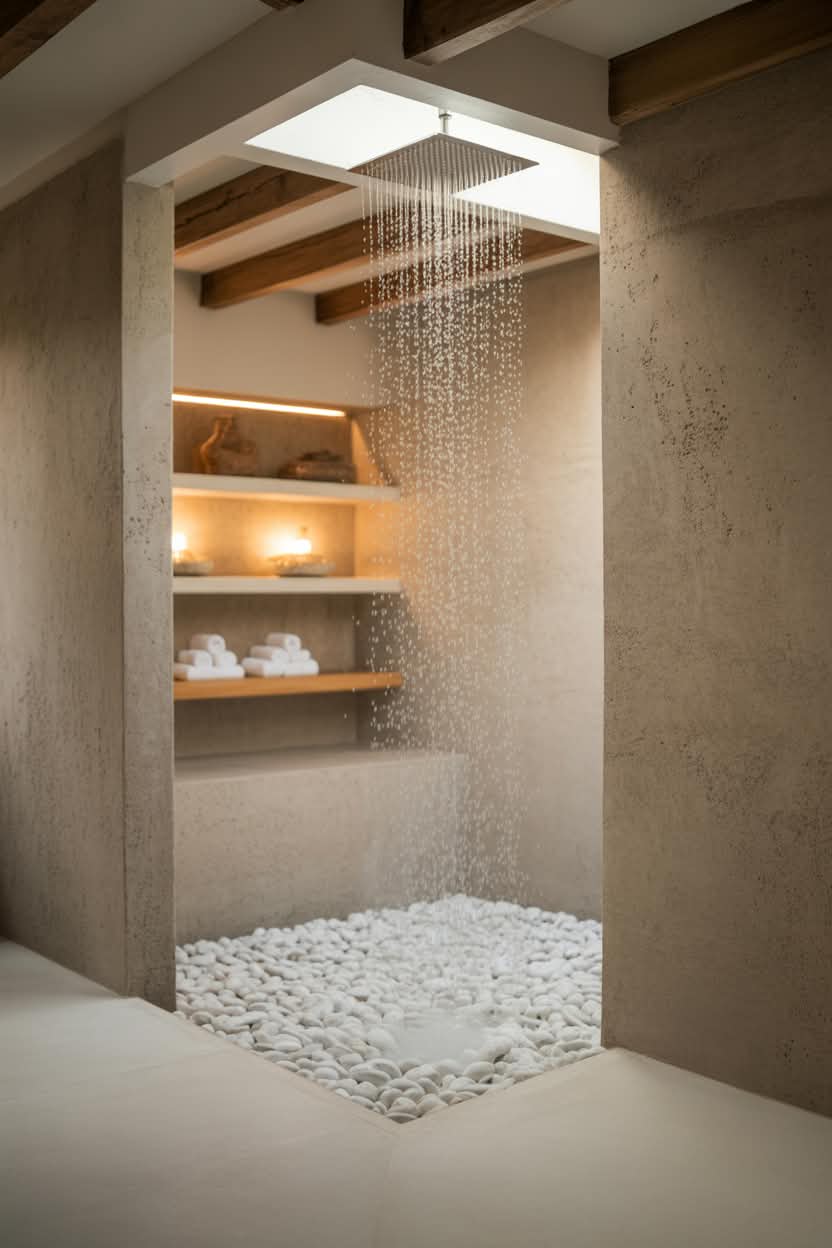
The wet room isn’t just a shower. It’s a full-blown experience—a marriage of modern design and mindful living. Imagine walking into a fully tiled sanctuary where walls gleam, air steams, and every surface is built to play with water instead of fighting it. It’s spa energy, bottled up and installed in your home.
And it’s not just for luxury penthouses anymore. According to designers like Shauna Jones and Carisha Swanson, wet rooms are the next big renovation wave in both high-end and middle-market homes. Because when done right, they’re more than design—they’re daily therapy disguised as plumbing.
What Exactly Is a Wet Room?
Let’s strip it down. A wet room is a fully waterproofed bathroom space—floor to ceiling—where the shower (and often the bathtub) sit in an open or enclosed tiled zone. The idea is simple: no “shower stall,” no “splash area.” The whole room is built to get wet.
Every surface is sealed, tiled, and drained. There are no curtains, no borders, no anxious dance around puddles. The floor slopes subtly toward a drain, the walls are water-resistant, and the air is meant to fill with steam. It’s the anti-fragile bathroom—designed to embrace the chaos of water instead of avoiding it.
A Room That Breathes, Not Breaks
What makes a wet room special isn’t just waterproofing—it’s flow.
With no barriers or bulky dividers, the space feels larger, lighter, and calmer. You can walk straight from dry area to wet without a single clumsy threshold.
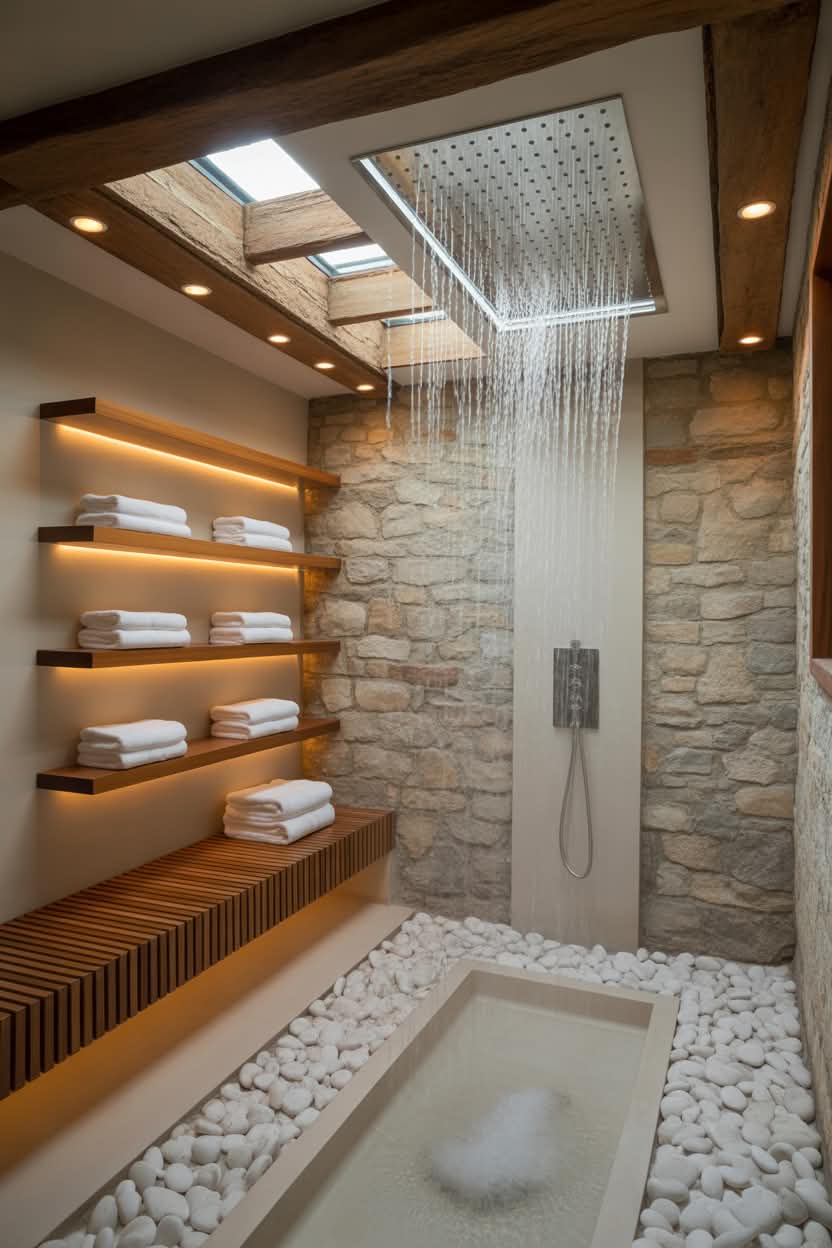
Designer Carisha Swanson describes modern wet rooms as “an at-home spa that blends accessibility with luxury.” And that’s not exaggeration. The latest trend includes floor-to-ceiling glass, steam shower features, and rainfall fixtures that mimic resort-level indulgence.
Some homeowners even go for a dual setup—a bathtub and shower enclosed behind glass doors, sharing one tiled floor. It’s efficient, elegant, and deeply satisfying to the part of your brain that craves symmetry and simplicity.
What Goes Inside a Wet Room?
Wet rooms are built like love letters to good design. They’re minimal, but not cold. Luxurious, but not fussy. The goal is seamless beauty—where every piece earns its place.
1. Waterproof Everything
Before anything else, a wet room must be watertight. Professional installation involves tanking membranes, waterproof tiling, and expert sealing—because trust me, you don’t want leaks. Once that’s in place, the fun begins.
2. The Tile Game
Tile is where wet rooms win hearts. Go big, go bold, or go subtle and textural.
Large-format porcelain tiles give an illusion of endless space, while mosaic tiles bring grip and glamour to the floor. Designers often mix matte and glossy finishes for contrast—light reflecting off one, grounding the other.
3. Fixtures with Personality
Forget chrome monotony. Today’s wet rooms feature black steel shower frames, brass taps, rainfall heads, and sculptural tubs that double as art installations. If you want drama, a freestanding tub inside the wet zone is your mic drop moment.
4. Seamless Drainage
Gone are the clunky center drains. Linear, almost invisible drains hug the base of walls or vanish beneath tiles. The result? A bathroom that looks carved from one continuous piece of stone.
5. Steam & Serenity
The elite version includes built-in steam generators, integrated seating, and even aromatherapy diffusers. It’s not just about getting clean—it’s about cleansing your nervous system.
Wet Room vs. Standard Bathroom: The Design Showdown
A traditional bathroom feels like a map of restrictions: shower here, sink there, toilet carefully quarantined. A wet room is liberation in tile form.
In a regular bathroom, only the shower or tub area is waterproofed. The rest of the space must stay dry, which means constant cleaning and cautious living. Wet rooms flip that logic. The entire zone—walls, floors, and fixtures—is waterproof.
That freedom translates to design potential. You can play with layout, use continuous tile patterns, and create uninterrupted visual lines. It’s not just more functional—it’s beautifully fearless.
Who Are Wet Rooms For?
Short answer? Everyone who’s tired of the same old four-foot shower box.
Long answer? Wet rooms are particularly great for:
1. Families & Pet Owners
Bathtime just got easier. You can hose down the dog, bathe the toddler, and still have a gorgeous space that doesn’t scream “utility room.”
2. Accessibility & Aging in Place
Wet rooms remove barriers—literally. No curbs, no thresholds, no balancing acts. Just smooth, open access. It’s a game-changer for seniors and people with mobility challenges.
3. Design Lovers
For those who believe good design should make you feel something, wet rooms are pure sensory poetry. Light, reflection, and sound all behave differently in these spaces—it’s a living art form that evolves with steam and time.
4. Minimalists & Modernists
Hate clutter? Love simplicity? Wet rooms are the ultimate blank canvas. Everything is intentional, nothing is excess. It’s the bathroom equivalent of exhaling.
Design Ideas to Steal
If you’re ready to join the movement, here’s how to bring the wet room aesthetic home:
1. Merge the Tub and Shower
The most popular setup right now: a glass-enclosed zone that contains both the shower and the bathtub. Tile them in the same material for a clean, continuous feel.
2. Play with Levels
Build a slightly raised platform for the wet area, tiled edge-to-edge. It defines the space without walls and looks like modern architecture’s answer to serenity.
3. Natural Materials
Stone-look porcelain, tumbled marble, or wood-grain tile soften the minimalism with organic warmth. Pair with warm metals like brass or aged bronze for that earth-meets-luxury vibe.
4. Statement Lighting
A backlit mirror or soft-glow LED under the tub rim adds cinematic drama to steam.
5. Go Green (Literally)
Moisture-loving plants—ferns, pothos, or orchids—thrive in the misty environment. It’s biophilic design with a practical twist.
The Price Tag of Tranquility
Let’s talk numbers.
According to Angi, the national median cost for a wet room ranges between $4,000 and $15,000, averaging around $9,000.
That includes materials, waterproofing, plumbing, and labor. But it doesn’t include the “make it gorgeous” elements—mirrors, vanities, décor, or custom glasswork.
Here’s the truth: while it’s not the cheapest renovation, it’s one of the most value-dense. Wet rooms elevate resale appeal, modernize outdated layouts, and boost perceived luxury instantly.
If you’re on a budget, start small. Convert a shower alcove into a semi-open wet area with floor tiling and linear drainage. Once you’ve lived with that freedom, you’ll want to expand.
Maintenance: Easier Than It Looks
Here’s the plot twist: wet rooms aren’t high maintenance.
With everything sealed and tiled, cleanup is a breeze. A quick rinse, a squeegee swipe, and you’re done. There’s no grout mildew creeping behind shower curtains or water pooling under doors.
The key is good ventilation—install a quality extractor fan and crack a window post-shower. Pair that with anti-slip flooring and durable grout, and you’ve got a low-maintenance luxury that’ll last decades.
The Wellness Factor
Beyond aesthetics and practicality, wet rooms are part of a bigger movement: wellness architecture.
Design psychologists have long said that open, flowing spaces reduce stress and improve mood. Add warm water, natural materials, and gentle acoustics, and you’ve built a sensory therapy chamber.
A wet room invites you to slow down. It turns the act of showering—a daily chore—into a grounding ritual. Steam becomes a meditation cue. Tile texture becomes a mindfulness tool.
And that’s where the magic happens: when a design choice becomes a daily act of self-care.
Common Myths About Wet Rooms (And Why They’re Wrong)
“They’re only for huge bathrooms.”
False. Clever design makes even a 6×8-foot bathroom feel spa-like. Frameless glass and continuous flooring expand space visually.
“They leak.”
Only if installed by amateurs. Proper tanking membranes make them as waterproof as a swimming pool.
“They’re slippery.”
Modern slip-resistant tiles (R11 or higher rating) prevent that. Add a built-in bench for extra safety and comfort.
“They’re too expensive.”
Wet rooms can be tailored to budget. Skip the marble, go for porcelain, and the experience remains luxe—without the luxury markup.
Future-Proofing Your Home
Accessibility. Wellness. Sustainability.
Three pillars shaping the future of interior design—and wet rooms hit all three.
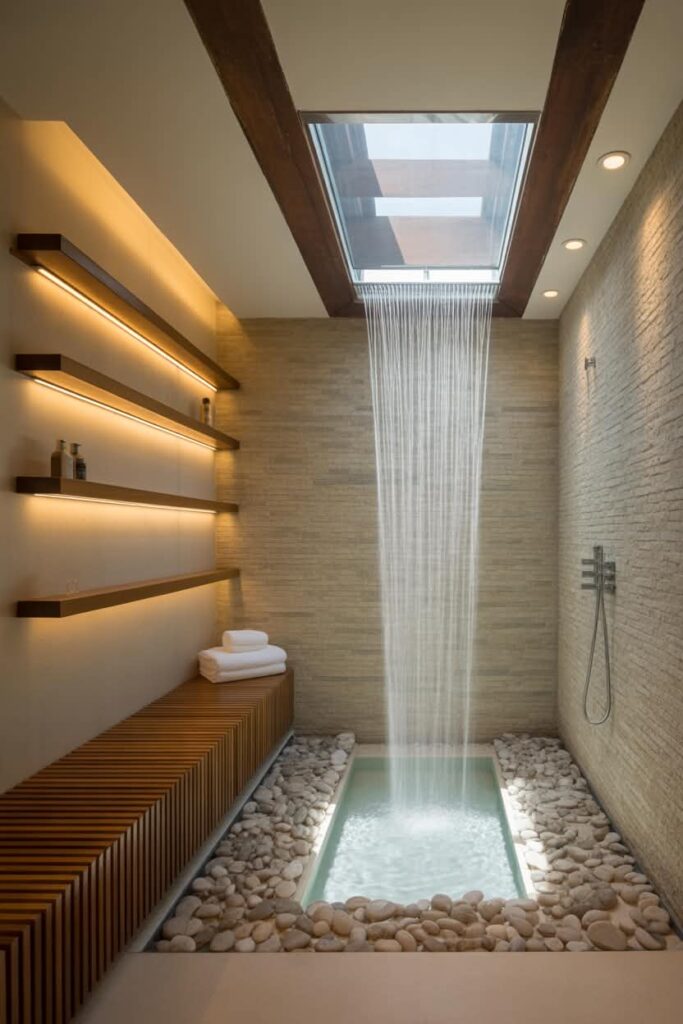
They’re age-proof (no thresholds), eco-smart (water-efficient fixtures), and emotionally intelligent (built to soothe, not just serve). If you’re planning to stay in your home for years, this is a renovation that grows with you—both in practicality and peace of mind.
Designers Are All In
From London to Los Angeles, interior designers are swapping stalls for sanctuaries. Shauna Jones predicts wet rooms will dominate 2025 bathroom remodels: “It’s where creativity meets function. The larger canvas allows tile design to become art.”
Carisha Swanson echoes that sentiment: “As wellness becomes part of how we live, not just what we buy, spaces like wet rooms turn homes into retreats.”
Translation? Bathrooms are no longer afterthoughts. They’re the new frontiers of feeling.
Final Thoughts: Let It Rain
The wet room isn’t a passing trend—it’s the future of how we experience private space.
It’s bold yet grounding. Functional yet indulgent. Minimal yet wildly sensual.
When done right, it doesn’t just transform your bathroom—it transforms your mornings. It turns cleansing into ceremony. It invites stillness, not just hygiene.
And in a world that moves too fast, that might be the most luxurious design choice of all.