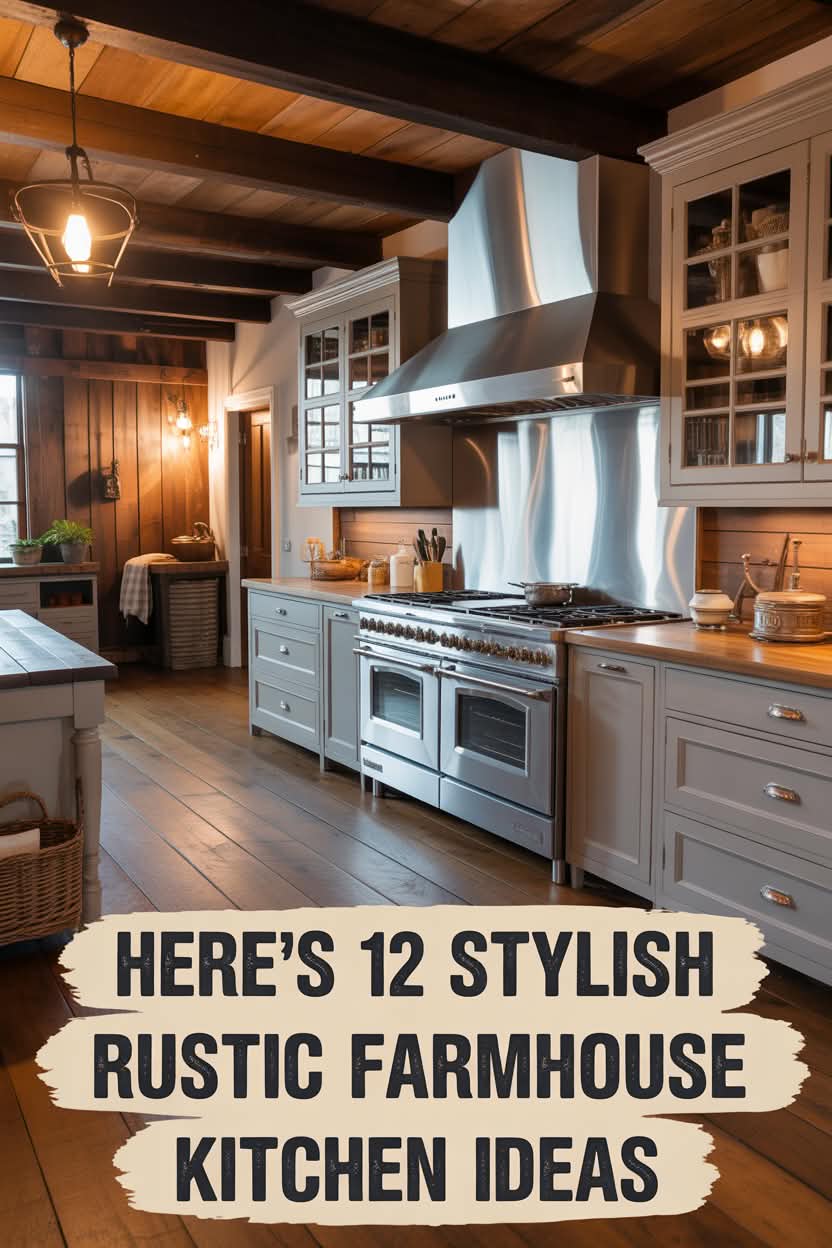
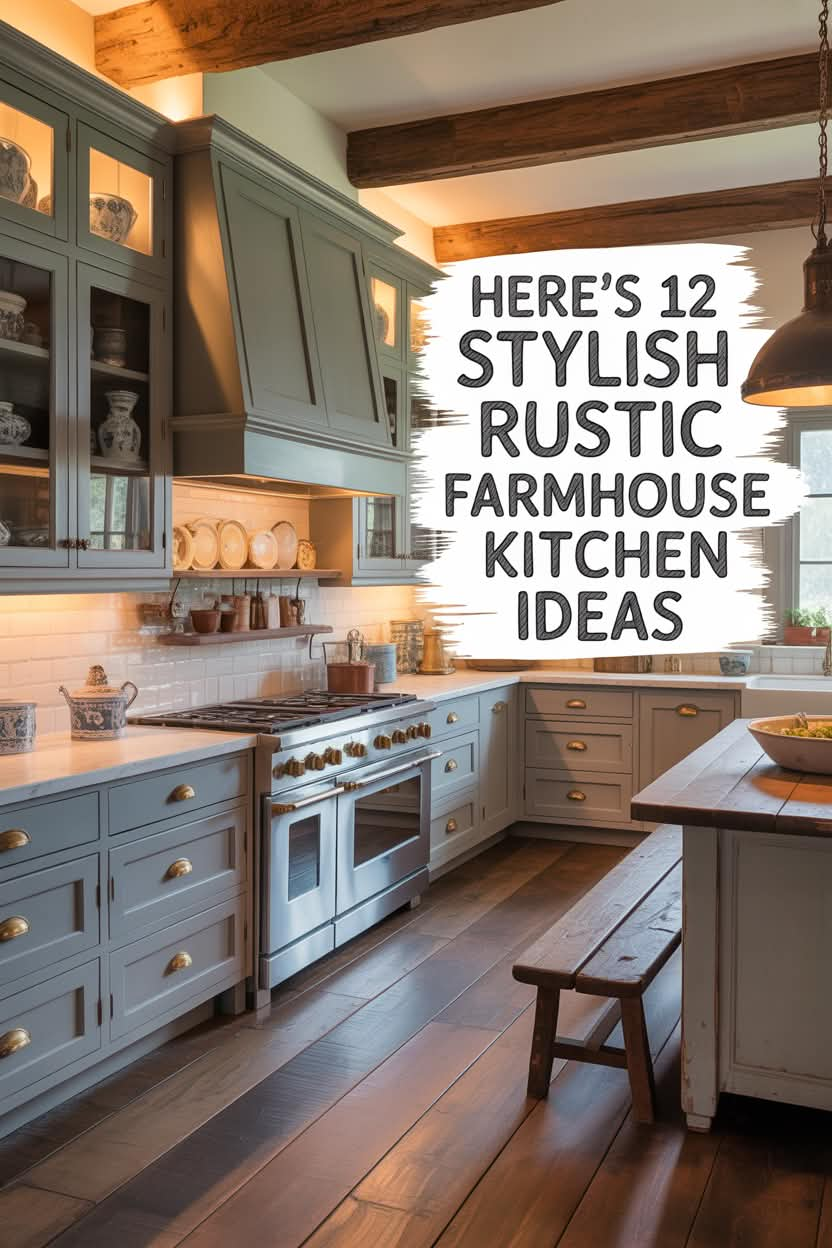
Confession: the “country kitchen” is a story we told ourselves first—and then built it into reality. That’s not a knock. It’s a compliment. The best brands on earth started as a myth with a backbone.
So did this room.
We dreamed of an AGA humming like a well-fed cat, terracotta under bare feet, a scrubbed pine table that forgives knife marks and spills with saintly patience, a dresser stacked with mismatched crockery that somehow looks curated, not chaotic. Then we went and installed it—in cottages, farmhouses, townhouses, and yes, city flats where the closest thing to a field is the window box with heroic basil.
And it works. It really works. Because a country kitchen isn’t square footage. It’s a feeling you manufacture on purpose: warmth, welcome, and the low-grade permission to be messy while still looking fantastic in photos. That’s the trick. Pull it off, and nobody wants to leave the table, not even after the tea goes cold.
Let’s start with Tattie—botanical artist, Dorset cottage, three boys and a little girl, a household that sounds like a drumming circle on match days. She kept the bones (smart), painted the units in DeVol’s ‘Refectory Red’ (smarter), and ripped off the uppers for breathing room (smartest).
Result: lively, magical, and forgiving—a kitchen that throws its arms open even when cereal is glued to the floor and the dog is negotiating custody of a wooden spoon. Also: a one-off island built by a local craftsman because yes, provenance still matters. You can feel it when you lean your elbows there and the wood presses back, not with glossed perfection but with life.
That’s the blueprint in miniature. Keep what’s honest. Edit what’s fussy. Add one or two things that could only have come from your life, not a catalogue.
55 Cozy Country Kitchen Ideas:
The Country Kitchen Myth (and Why You Should Lean Into It)
Let’s clear the smoke: for most of history, grand houses hid their kitchens; small houses survived theirs. No one called them “charming.” They were hot, wet, and busy. Our modern country kitchen—this hearth-of-the-home idea—is curated nostalgia. And you know what? Good. If the fantasy brings people to the table, earns its keep through stews and birthday candles, and turns “what’s for dinner?” into an invitation, then let the myth be the engine. It’s the same principle as a well-written headline—if it gets engagement that leads to value, it’s honest work.
So what does the modern version look like, in detail? Not a museum. An edit. A balance between ease and incident; between simple, usable materials and two or three big gestures that make the room sing.
Pillars (Not Rules) for Building Your Version
1) Heat as a Feature, Not a Utility
You know the cliché: the AGA. That enamelled, radiant beast that anchors a wall like a grand piano. You don’t need one (budget, bills, reality), but you do need the sense of ever-present warmth. That can be a range with character, a woodburner visible from the table, or just smart lighting that reads warm even at 9 a.m. on a January Monday. A warm room tells people to relax. Cold lighting = cold conversation.
Practical move: swap your bulbs to 2700K, add a dimmer, and put a lamp on the countertop. Immediate mood.
2) The Forgiving Floor
Country floors do not scold. Terracotta, tumbled limestone, aged oak, brick pavers—the kind of surface that takes a dropped pot and shrugs. If you’re in a flat with a landlord who faints at the word “tile,” try cork (friendly underfoot) or a vinyl that looks like flagstone without the ache. Don’t go glossy. Kitchens are where life happens; life is not slip-resistant.
Trade-off tip: if you want patterned tiles, keep the palette reduced: two tones max. Let the geometry do the shouting, not the color.
3) The Dresser With a Past (Even If You Bought It Last Week)
A country kitchen wants vertical nostalgia. A dresser, open shelves, a rail with hooks—somewhere to stack the misfits: the willow pattern plate with a chip that you love anyway; the jam jars that keep hosting flowers; a gravy jug too ornate for modern plates and therefore perfect. The dresser is your “brand story” in three shelves. Edit ruthlessly. Keep the story tight.
Styling ratio: 50% useful, 30% sentimental, 20% sculptural. If everything is “special,” nothing is.
4) The Table That Says “Sit Down”
Scrubbed pine is the cliché because it works. So does oiled oak, or a raw-edged plank that’s seen better wars. The finish should hide sins; the legs should be quiet. A country table is a stage, not the lead actor. If your space is small, go drop-leaf. If you’re permanent, go long and slightly narrower than modern “banquet” width. Closer elbows = better conversation.
Chairs: mix them. Not too much—three styles maximum. Add a bench on one side if you’ve got kids or the kind of friends who collapse sideways mid-story.
5) Cabinets With Soft Eyes
Shakers still win because restraint is photogenic. Paint with pigment, not plastic: mushroom, putty, slate blue, sometimes a red so deep it flirts with brown (hello, Refectory Red). Unfitted moments—a freestanding larder, that dresser—break the monolith. Hardware? Keep it honest: wooden knobs, aged brass, forged iron. Nothing that looks like it belongs on a spaceship.
Don’t: install 15 glass-front uppers unless you enjoy living inside a plate display. Two is theatre. Twelve is performance anxiety.
6) The Island Built for Elbows
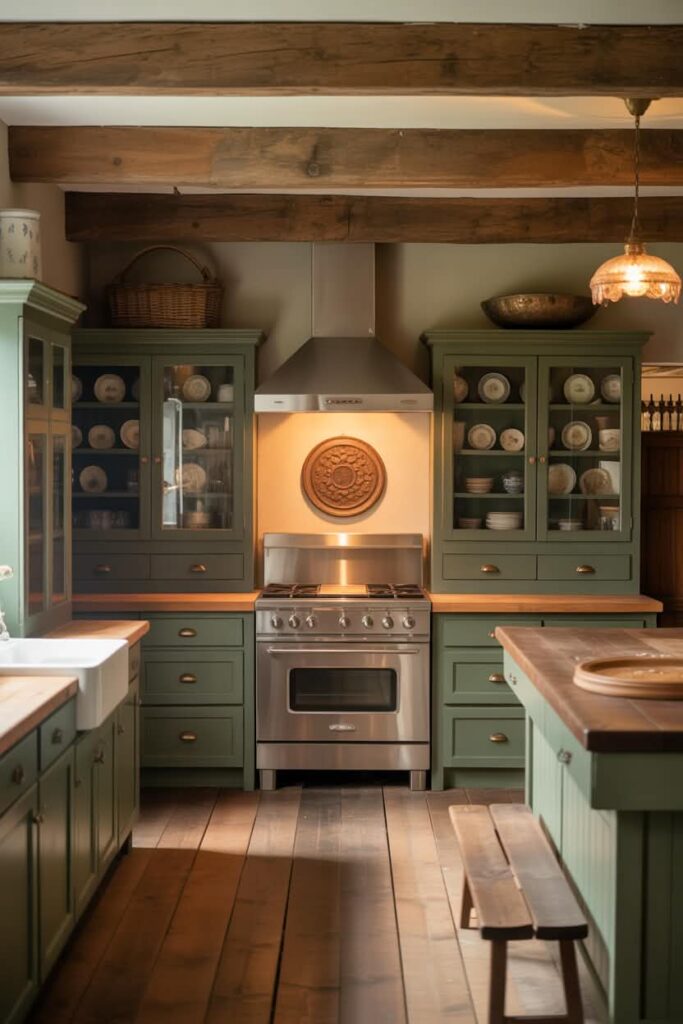
Not a runway. Not a sink stuffed with drying racks. A sociable slab with storage beneath and overhang enough for knees. Stone top if you roll pastry; oiled wood if you like marks that become a diary. If you can’t fit an island, a butcher’s block on casters is the secret handshake—move it, work it, wheel it out and pretend it’s always been there.
7) Lights Like Candles, Not Cold Storage
Pendants over the table (think enamel, rattan, or brass), a wall light or two by the dresser, and a small lamp tucked in a corner. It’s acceptable—no, encouraged—to have a candle habit. Beeswax tapers make even Tuesday stew look like an event.
Rule: three layers minimum—ceiling, task, ambient. If you only have downlights, you’ve built an interrogation room.
The Palette: Earth First, Color in the Cracks
Jewel tones are cinematic but high-maintenance. Country kitchens breathe best in earth: clotted cream, oatmeal, sage, soot, and the red-brown that already lives in your floor. Then: a stripe of color that tells the room it’s alive. A peppering of blue-and-white china. A stack of green glass tumblers. A rug with a cranberry border that nods to the AGA you don’t own.
Paint hack: walls and trim in the same color, different finishes—flat for walls, eggshell for wood. Calm, enveloping, cohesive. The room feels bigger because the boundaries whisper.
Storage That Doesn’t Scream “Storage”
This is where real life barges in. You need bins that shut, drawers that catch, a flour jar that actually seals. Hide the recycling behind a door. Put the ugly appliances on a tray so they look intentional. Wire baskets for potatoes and onions—air is their friend. A rail with S-hooks turns ladles into sculpture. And that deep drawer for pans? Add a peg system so lids stop playing hide-and-seek every night at dinner.
If you want to feel like a domestic genius: decant your dry goods. Not because Instagram said so, but because scooping oats from a glass jar makes Tuesday feel 12% more civilized.
Open Shelving Without Regrets
Everybody loves the idea; then the dust appears. Solution: edit. Only daily-use items live on open shelves—plates, bowls, glasses. They never get dusty because you’re always washing them. The weird candlesticks? The souvenir mug? Into the closed cabinet of misfit toys. Keep the shelf depth modest (8–10 inches) so nothing lurks grimly at the back.
One trick: paint the wall behind open shelves the same color as your cabinetry. The shelves melt into the envelope; the objects take the spotlight.
Small Kitchen, Big Country Energy
No boot room, no scullery, no walk-in pantry. Okay. You can still cheat the vibe:
- Swap the high-gloss splashback for beadboard sealed with marine varnish, or zellige tile in a non-shiny finish.
- Replace two uppers with a plate rack over the sink.
- Hang a rail with copper pans—even if you only own two, the silhouette is half the magic.
- Use a runner that can take a beating (wool or indoor-outdoor) and call it a day.
- Grow herbs in mismatched clay pots on the sill. You’ll be insufferably happy every time you tear basil with your hands.
The Center of Gravity: People
The country kitchen’s real job isn’t prettiness. It’s traffic control. It pulls every conversation into one warm core. I can list materials and paint codes until the cows (literally) come home, but if the room doesn’t make tea a reflex and chairs a gravitational field, you missed the point.
A story. Years ago, after a grim, rain-blown drive across North Yorkshire (wipers losing the will to live), I stepped into a farmhouse kitchen where the AGA door was ajar and a cake cooled on a rack with a knife already beside it. No speech, no ceremony. I knew, instantly, it would take force to eject me. The host didn’t apologize for clutter. She cut the cake. We ate standing, elbows on wood, steam fogging the windows. Best slice of my life? Possibly. Best room? No contest. That’s what we’re building.
Mistakes (and the Fixes You’ll Thank Me For)
- Too shiny. Country kitchens are matte-skinned introverts. If you can see your face in every surface, you’ve opened a nightclub. Sand, lime, oil, wax.
- Theme park excess. Chicken wire in every door, “Eat” signs, staged bales of hay (please no). One rustic note is charm; ten is theatre.
- No outlets where you cook. You’ll end up boiling a kettle in the hallway like a Victorian. Add a pop-up socket in the island or a discreet strip under shelves.
- Over-committing to open shelves. Do one run. Prove you can keep it clean. Then decide.
- Too-tight aisles. You need 1 meter (give or take) between island and run to pass with a pot and a child attached to your shin.
Quick Wins in 48 Hours (Budget-Friendly, Sanity-Approved)
Day 1
- Paint lower cabinets a work-wear color (slate, oxblood, deep olive). Leave uppers creamy.
- Swap knobs/pulls to something with patina—aged brass or turned wood.
- Buy a long, low runner. Warmth + noise control = better mornings.
Day 2
- Put up a plate rail or a simple pine shelf. Style lightly.
- Add two wall lights on either side of the dresser or above the range. Warm bulbs only.
- Bring in a scrubbed table (Facebook Marketplace is your new dealer). If space is tight, a drop-leaf.
- Fill a big jug with something seasonal and domestic: branches, herbs, or wooden spoons if the garden’s asleep.
Stand back. You’ve moved the needle without re-mortgaging your sense of humor.
City Version (Yes, You’re Allowed)
You can have a country kitchen a bus ride from the Gherkin. Think attitude, not acreage: a warm palette, one honest timber piece, fabrics with a hand (linen blinds, a ticking stripe cushion), a lamp on the counter, open shelves with everyday plates, and mugs that don’t match on purpose. Let the clatter of cutlery be your soundtrack. If your landlord’s kitchen is clinically modern, soften it: tablecloth, woven baskets, wood boards leaned against a splashback. The “rural” is partly in your rituals—soup on Sunday, friends on stools, a cake cooling in a draft.
The Only Rule That’s Actually a Rule
Choose materials and pieces that get better when used. If a sauce stain ends your love affair, it wasn’t a country kitchen; it was a showroom. Wood that marks, stone that etches, textiles that launder and return kinder—these are your friends. The whole game is patina. The room should read like a memoir, not a press release.
And if anyone tells you the country kitchen is an invention? Smile. Most good things are—at first. Then we live in them long enough that they become true. That’s the kind of marketing I’ll stand behind: a promise you can sit down at, put your elbows on, and pour another cup of tea.
Pull up a chair. The kettle’s on.